



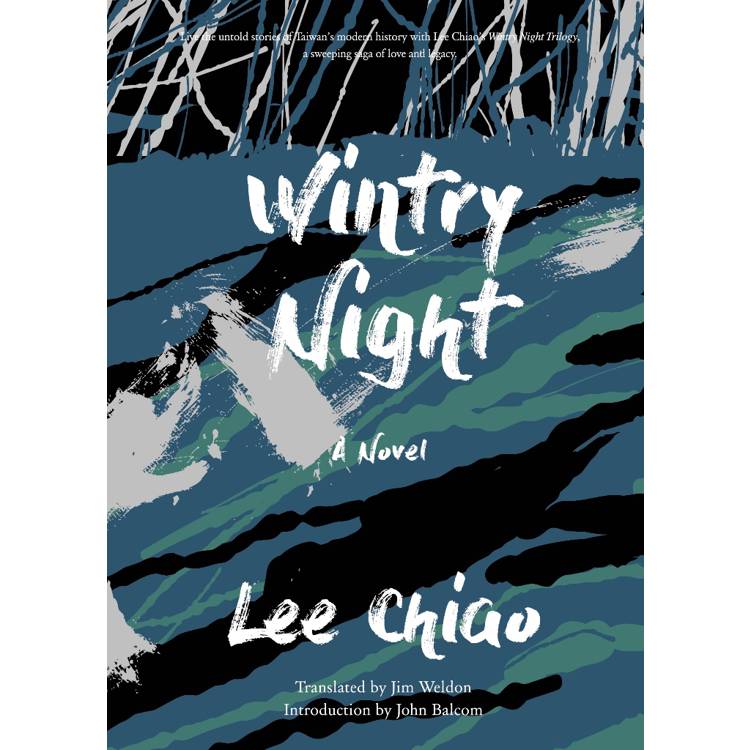
Wintry Night: A Novel
寒夜三部曲I:寒夜




活動訊息
普發一萬放大術:滿千登記抽萬元好禮
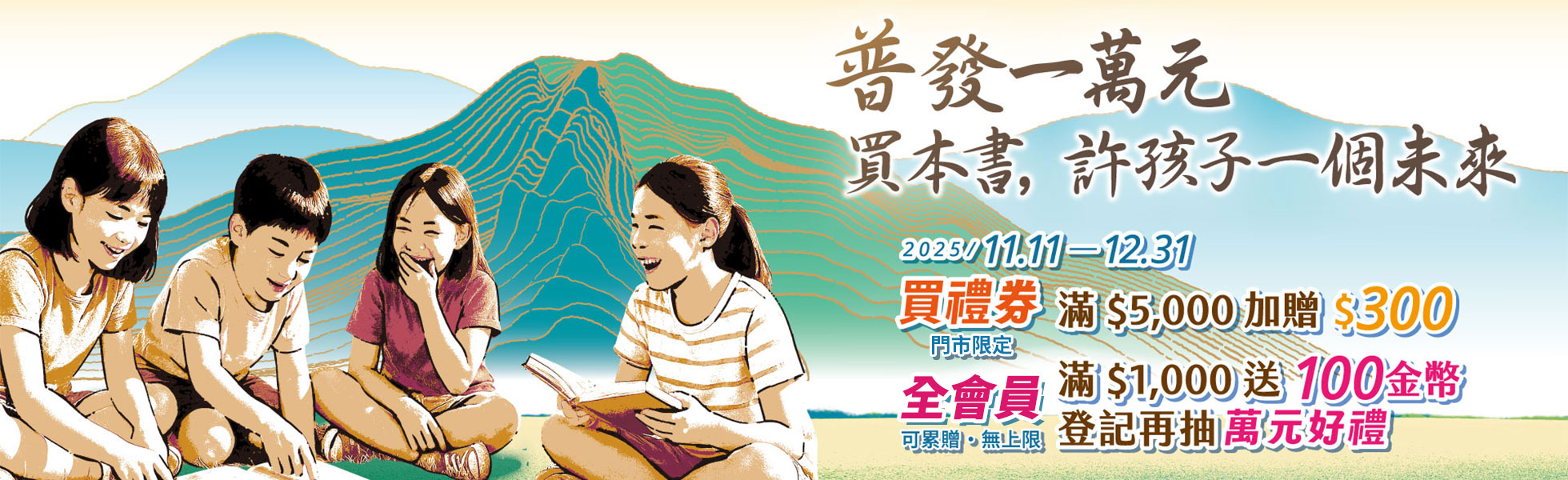
全站滿$1000送100點金幣,可累送! 新會員直接領$500!

內容簡介
李喬於1975年起稿,至1981 年 2月陸續完成了《寒夜三部曲》---《寒夜》、《荒村》與《孤燈》三部作品,透過饒富文學意涵的語言文字,書寫日治時代的台灣歷史。故事以彭阿強、劉阿漢兩大家族、三代人開山墾荒蕃仔林的悲苦生活,以及反日抗爭為情節線,佐以各時代重要事件,描寫自日治時代50年前後所遭遇時代挑戰,歷經家族的興衰,是一部台灣「大河小說」史詩。
此為《寒夜三部曲》完整英譯版。
首部曲Wintry Night《寒夜》,寫的是台灣割讓給日本前後背景下,彭阿強一家7男5女,12口冒著生命危險,進入苗栗蕃仔林開山拓荒,流血流汗,結果遭土豪劣紳勾結官府,巧取豪奪。彭阿強六、七十歲時,不甘一生辛勤平白落空,為土地掙扎拚命,死在吊頸樹下。小說以沉鬱而真切的筆觸,揭示了農民在時代巨輪下的悲壯命運,讀來令人悲憤填膺。
第二部 Deserted Village《荒村》以彭家童養媳燈妹招贅的劉阿漢一家為核心,展開一段充滿血淚的時代悲歌。小說描繪劉阿漢父子,在日本殖民統治下為守護土地而毅然對抗惡法與經濟掠奪,不僅捲入日據時代中期文化協會分裂的風潮,更投身農民組合初期的重大抗爭。隨著運動的推進,劉家父子屢遭牢獄、拘禁與酷刑折磨,最終劉阿漢魂斷荒村,劉明鼎亦命喪拘留所。全書以樸實卻震撼人心的筆觸,呈現一家人在時代洪流中的掙扎與犧牲。劉家父子的悲壯身影,不僅映照了殖民壓迫下農民階級的宿命,更烙印出一幅驚心動魄的台灣歷史圖景。
第三部Lone Lamp《孤燈》,書寫的是台灣光復前後,山村極端匱乏的非人生活,以及劉家么子明基與彭家長子人傑、長孫永輝受徵召遠赴南洋戰場,死在異地的悲慘命運。小說不僅揭露戰亂下青年生命的脆弱與犧牲,更展現蕃仔林村民為了生存而迸發出的堅忍生命力。那些冤死於菲律賓的台灣青年,縱然長眠異地,心魂仍舊牽繫台灣故土,讓人讀來不勝唏噓與心酸。
這部作品不僅是文學作品,更是一部充滿人性深度和歷史情感的社會史詩。李喬以其獨特的筆觸,深刻刻畫了台灣在日治時期遭遇的種種挑戰,並通過家族的興衰反映了當時社會的複雜面貌。這部小說將為您呈現一場震撼心靈的文學之旅。
Lee Chiao’s epic Wintry Night Trilogy, comprising Wintry Night, Deserted Village, and Lone Lamp, is widely revered as a classic of Taiwan literature. Together, the books tell of the vicissitudes endured by three successive generations of Hakka farmers. Opening in the late Qing dynasty and concluding soon after the end of the Japanese occupation, the trilogy follows the Pengs and the Lius as they establish a legacy befitting the turbulence of modern Taiwan. This, Lee’s most celebrated work, is a poignant reflection on love, resilience, and the steadfast spirit of a colonized people.
Wintry Night is the haunting first book of Lee Chiao’s acclaimed Wintry Night Trilogy. Set before and during the period of Taiwan under Japanese rule, it follows the Peng family as they start a new life in Miaoli’s mountainous frontier, hoping for prosperity but instead confronting land grabs and codified dispossession. The novel’s intimate and unyielding intensity expresses the everyday struggles of those trapped at the edge of empire. It is a portrait of loss and resistance that speaks to the very soul of Taiwan.
Book two, Deserted Village depicts the exploitation of Taiwanese farmers, particularly in the sugar industry, and the rise of organized resistance through the Cultural Association in the 1920s and 1930s. Liu Ah-Han and his son Liu Ming-Ting become deeply involved in non-violent resistance movements, with Ah-Han facing repeated imprisonment and torture. The novel traces the development and eventual split of both the Cultural Association and the Farmers' Association, examining how these groups' trajectories reflect broader patterns in Taiwan's anti-Japanese resistance. Meanwhile, Ten-Mei maintains family stability despite her husband's frequent absences, as colonial oppression leads to the awakening of Taiwanese consciousness and collective resistance.
Lone Lamp brings Lee Chiao’s Wintry Night Trilogy to a close with quiet, unflinching power. In a time of war, a new generation grapples with loss, poverty, and withering dreams. Raised in mountain villages and thrown into unfamiliar lands, these are characters burdened with their forebears’ disappointments while carrying crushing traumas of their own. Through this compassionate novel, Lee Chiao reminds us that even the faintest hope can sustain a people’s spirit.
此為《寒夜三部曲》完整英譯版。
首部曲Wintry Night《寒夜》,寫的是台灣割讓給日本前後背景下,彭阿強一家7男5女,12口冒著生命危險,進入苗栗蕃仔林開山拓荒,流血流汗,結果遭土豪劣紳勾結官府,巧取豪奪。彭阿強六、七十歲時,不甘一生辛勤平白落空,為土地掙扎拚命,死在吊頸樹下。小說以沉鬱而真切的筆觸,揭示了農民在時代巨輪下的悲壯命運,讀來令人悲憤填膺。
第二部 Deserted Village《荒村》以彭家童養媳燈妹招贅的劉阿漢一家為核心,展開一段充滿血淚的時代悲歌。小說描繪劉阿漢父子,在日本殖民統治下為守護土地而毅然對抗惡法與經濟掠奪,不僅捲入日據時代中期文化協會分裂的風潮,更投身農民組合初期的重大抗爭。隨著運動的推進,劉家父子屢遭牢獄、拘禁與酷刑折磨,最終劉阿漢魂斷荒村,劉明鼎亦命喪拘留所。全書以樸實卻震撼人心的筆觸,呈現一家人在時代洪流中的掙扎與犧牲。劉家父子的悲壯身影,不僅映照了殖民壓迫下農民階級的宿命,更烙印出一幅驚心動魄的台灣歷史圖景。
第三部Lone Lamp《孤燈》,書寫的是台灣光復前後,山村極端匱乏的非人生活,以及劉家么子明基與彭家長子人傑、長孫永輝受徵召遠赴南洋戰場,死在異地的悲慘命運。小說不僅揭露戰亂下青年生命的脆弱與犧牲,更展現蕃仔林村民為了生存而迸發出的堅忍生命力。那些冤死於菲律賓的台灣青年,縱然長眠異地,心魂仍舊牽繫台灣故土,讓人讀來不勝唏噓與心酸。
這部作品不僅是文學作品,更是一部充滿人性深度和歷史情感的社會史詩。李喬以其獨特的筆觸,深刻刻畫了台灣在日治時期遭遇的種種挑戰,並通過家族的興衰反映了當時社會的複雜面貌。這部小說將為您呈現一場震撼心靈的文學之旅。
Lee Chiao’s epic Wintry Night Trilogy, comprising Wintry Night, Deserted Village, and Lone Lamp, is widely revered as a classic of Taiwan literature. Together, the books tell of the vicissitudes endured by three successive generations of Hakka farmers. Opening in the late Qing dynasty and concluding soon after the end of the Japanese occupation, the trilogy follows the Pengs and the Lius as they establish a legacy befitting the turbulence of modern Taiwan. This, Lee’s most celebrated work, is a poignant reflection on love, resilience, and the steadfast spirit of a colonized people.
Wintry Night is the haunting first book of Lee Chiao’s acclaimed Wintry Night Trilogy. Set before and during the period of Taiwan under Japanese rule, it follows the Peng family as they start a new life in Miaoli’s mountainous frontier, hoping for prosperity but instead confronting land grabs and codified dispossession. The novel’s intimate and unyielding intensity expresses the everyday struggles of those trapped at the edge of empire. It is a portrait of loss and resistance that speaks to the very soul of Taiwan.
Book two, Deserted Village depicts the exploitation of Taiwanese farmers, particularly in the sugar industry, and the rise of organized resistance through the Cultural Association in the 1920s and 1930s. Liu Ah-Han and his son Liu Ming-Ting become deeply involved in non-violent resistance movements, with Ah-Han facing repeated imprisonment and torture. The novel traces the development and eventual split of both the Cultural Association and the Farmers' Association, examining how these groups' trajectories reflect broader patterns in Taiwan's anti-Japanese resistance. Meanwhile, Ten-Mei maintains family stability despite her husband's frequent absences, as colonial oppression leads to the awakening of Taiwanese consciousness and collective resistance.
Lone Lamp brings Lee Chiao’s Wintry Night Trilogy to a close with quiet, unflinching power. In a time of war, a new generation grapples with loss, poverty, and withering dreams. Raised in mountain villages and thrown into unfamiliar lands, these are characters burdened with their forebears’ disappointments while carrying crushing traumas of their own. Through this compassionate novel, Lee Chiao reminds us that even the faintest hope can sustain a people’s spirit.
配送方式
-
台灣
- 國內宅配:本島、離島
-
到店取貨:
 不限金額免運費



-
海外
- 國際快遞:全球
-
港澳店取:


訂購/退換貨須知
加入金石堂 LINE 官方帳號『完成綁定』,隨時掌握出貨動態:


商品運送說明:
- 本公司所提供的產品配送區域範圍目前僅限台灣本島。注意!收件地址請勿為郵政信箱。
- 商品將由廠商透過貨運或是郵局寄送。消費者訂購之商品若無法送達,經電話或 E-mail無法聯繫逾三天者,本公司將取消該筆訂單,並且全額退款。
- 當廠商出貨後,您會收到E-mail出貨通知,您也可透過【訂單查詢】確認出貨情況。
- 產品顏色可能會因網頁呈現與拍攝關係產生色差,圖片僅供參考,商品依實際供貨樣式為準。
- 如果是大型商品(如:傢俱、床墊、家電、運動器材等)及需安裝商品,請依商品頁面說明為主。訂單完成收款確認後,出貨廠商將會和您聯繫確認相關配送等細節。
- 偏遠地區、樓層費及其它加價費用,皆由廠商於約定配送時一併告知,廠商將保留出貨與否的權利。
提醒您!!
金石堂及銀行均不會請您操作ATM! 如接獲電話要求您前往ATM提款機,請不要聽從指示,以免受騙上當!
退換貨須知:
**提醒您,鑑賞期不等於試用期,退回商品須為全新狀態**
-
依據「消費者保護法」第19條及行政院消費者保護處公告之「通訊交易解除權合理例外情事適用準則」,以下商品購買後,除商品本身有瑕疵外,將不提供7天的猶豫期:
- 易於腐敗、保存期限較短或解約時即將逾期。(如:生鮮食品)
- 依消費者要求所為之客製化給付。(客製化商品)
- 報紙、期刊或雜誌。(含MOOK、外文雜誌)
- 經消費者拆封之影音商品或電腦軟體。
- 非以有形媒介提供之數位內容或一經提供即為完成之線上服務,經消費者事先同意始提供。(如:電子書、電子雜誌、下載版軟體、虛擬商品…等)
- 已拆封之個人衛生用品。(如:內衣褲、刮鬍刀、除毛刀…等)
- 若非上列種類商品,均享有到貨7天的猶豫期(含例假日)。
- 辦理退換貨時,商品(組合商品恕無法接受單獨退貨)必須是您收到商品時的原始狀態(包含商品本體、配件、贈品、保證書、所有附隨資料文件及原廠內外包裝…等),請勿直接使用原廠包裝寄送,或於原廠包裝上黏貼紙張或書寫文字。
- 退回商品若無法回復原狀,將請您負擔回復原狀所需費用,嚴重時將影響您的退貨權益。


商品評價