




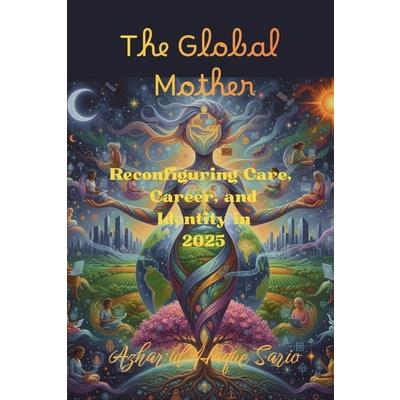
The Global Mother


-
9折 1520元
1689元
-
 預計最高可得金幣75點
?
可100%折抵
預計最高可得金幣75點
?
可100%折抵
活動加倍另計 -
HAPPY GO享100累1點 4點抵1元 折抵無上限
-
分類:英文書>人文社科>教育/教養>親子教養追蹤? 追蹤分類後,您會在第一時間收到分類新品通知。
- 作者: Azhar Ul Haque,Sario 追蹤 ? 追蹤作者後,您會在第一時間收到作者新書通知。
- 出版社: Azhar Sario Hungary 追蹤 ? 追蹤出版社後,您會在第一時間收到出版社新書通知。
- 出版日:2025/11/23

活動訊息
線上國際書展5折起,指定書單送書展門票,全館滿$1,000送100點金幣

內容簡介
Hey, ever wondered why motherhood feels like a global tightrope walk in 2025?
This book dives into the paradox of modern motherhood worldwide. It explores how women juggle intense cultural expectations with tough economic realities. The report is structured as a 15-chapter comparative analysis. It covers diverse countries like the US, Sweden, Japan, Germany, Italy, South Korea, Australia, India, China, South Africa, Brazil, Mexico, Saudi Arabia, Egypt, and Nigeria. Part I lays theoretical foundations using the US, Sweden, and Japan. It defines "intensive mothering" as child-centered and emotionally demanding. It explains "cognitive labor" as the invisible mental work of family planning. It discusses neoliberal policies in the US causing motherhood penalties. In Sweden, it shows limits of egalitarian policies amid persistent gender gaps. In Japan, it theorizes demographic crises clashing with traditional roles. Part II applies theories to lived experiences in Germany, Italy, South Korea, and Australia. It details Germany's part-time trap and "Rabenmutter" stigma. In Italy, it covers the "child penalty" and "la mamma" ideal. South Korea's chapter focuses on "education fever" turning mothers into managers. Australia's section examines expanding parental leave and "lighthouse parenting." Part III explores intersections like caste in India, state planning in China, and post-apartheid legacies in South Africa. It highlights India's maternal dropout rates. In China, it discusses urban-rural parenting divides. South Africa reveals family resilience amid vulnerability. Part IV innovates theories with Brazil, Mexico, and Saudi Arabia. It proposes "Adaptive Maternal Labor" for Brazil's informal economy. For Mexico, it introduces "Cultural-Economic Dissonance." Saudi Arabia inspires "State-Accelerated Change" via Vision 2030. Part V identifies research gaps using Egypt and Nigeria. It calls for studies on Egypt's empowerment policies' real impact. In Nigeria, it urges research on health-economy links and community supports. Tables compare policies, pay gaps, and penalties across nations. The introduction sets the 2025 paradox. The conclusion urges new paradigms.
What sets this book apart is its global, evidence-based depth that others skim over. Most motherhood books focus on Western experiences or single issues like work-life balance. This one weaves theories with real case studies from 15 countries, revealing unique cultural-economic clashes. It innovates frameworks like Adaptive Maternal Labor, filling gaps in non-Western contexts. Unlike vague advice books, it uses 2025 data for actionable insights on policies and stigmas. It highlights mental health tolls and demographic links often ignored. Its comparative tables provide quick, data-driven overviews missing elsewhere. By blending sociology, economics, and policy, it offers academics, policymakers, and moms a comprehensive tool for change, not just sympathy.
The rest of the book unpacks these ideas with sub-topics, data points, and policy details. You'll see how US moms face no federal leave, leading to burnout. Swedish dads take more leave but moms still manage mentally. Japanese women flee rural norms amid birth declines. German childcare shortages trap moms part-time. Italian familialism relies on grandmas. Korean education fever links to fertility drops. Australian super on leave eases finances. Indian caste affects early births. Chinese Gen Z parents shift styles. South African women build resilience post-apartheid. Brazilian moms adapt informally. Mexican ideals clash with precarity. Saudi reforms double workforce participation. Egyptian laws promise much but deliver little. Nigerian vulnerability demands health-economy research.
This book is independently produced and has no affiliation with any original authors or boards. It is created under nominative fair use for descriptive purposes only.
配送方式
-
台灣
- 國內宅配:本島、離島
-
到店取貨:
 不限金額免運費



-
海外
- 國際快遞:全球
-
港澳店取:


訂購/退換貨須知
加入金石堂 LINE 官方帳號『完成綁定』,隨時掌握出貨動態:


商品運送說明:
- 本公司所提供的產品配送區域範圍目前僅限台灣本島。注意!收件地址請勿為郵政信箱。
- 商品將由廠商透過貨運或是郵局寄送。消費者訂購之商品若無法送達,經電話或 E-mail無法聯繫逾三天者,本公司將取消該筆訂單,並且全額退款。
- 當廠商出貨後,您會收到E-mail出貨通知,您也可透過【訂單查詢】確認出貨情況。
- 產品顏色可能會因網頁呈現與拍攝關係產生色差,圖片僅供參考,商品依實際供貨樣式為準。
- 如果是大型商品(如:傢俱、床墊、家電、運動器材等)及需安裝商品,請依商品頁面說明為主。訂單完成收款確認後,出貨廠商將會和您聯繫確認相關配送等細節。
- 偏遠地區、樓層費及其它加價費用,皆由廠商於約定配送時一併告知,廠商將保留出貨與否的權利。
提醒您!!
金石堂及銀行均不會請您操作ATM! 如接獲電話要求您前往ATM提款機,請不要聽從指示,以免受騙上當!
退換貨須知:
**提醒您,鑑賞期不等於試用期,退回商品須為全新狀態**
-
依據「消費者保護法」第19條及行政院消費者保護處公告之「通訊交易解除權合理例外情事適用準則」,以下商品購買後,除商品本身有瑕疵外,將不提供7天的猶豫期:
- 易於腐敗、保存期限較短或解約時即將逾期。(如:生鮮食品)
- 依消費者要求所為之客製化給付。(客製化商品)
- 報紙、期刊或雜誌。(含MOOK、外文雜誌)
- 經消費者拆封之影音商品或電腦軟體。
- 非以有形媒介提供之數位內容或一經提供即為完成之線上服務,經消費者事先同意始提供。(如:電子書、電子雜誌、下載版軟體、虛擬商品…等)
- 已拆封之個人衛生用品。(如:內衣褲、刮鬍刀、除毛刀…等)
- 若非上列種類商品,均享有到貨7天的猶豫期(含例假日)。
- 辦理退換貨時,商品(組合商品恕無法接受單獨退貨)必須是您收到商品時的原始狀態(包含商品本體、配件、贈品、保證書、所有附隨資料文件及原廠內外包裝…等),請勿直接使用原廠包裝寄送,或於原廠包裝上黏貼紙張或書寫文字。
- 退回商品若無法回復原狀,將請您負擔回復原狀所需費用,嚴重時將影響您的退貨權益。



商品評價