



◎01a. 美國大蕭條中的桃花鎮◎
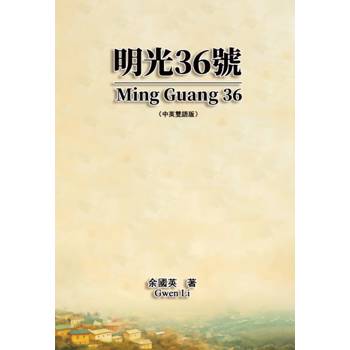
1931年,春天才剛悄悄探出頭。加州南部的洛斯蓋托斯(Los Gatos),這座西班牙語裡意為「貓鎮」的小城——在當地華人社群中被暱稱為「桃花鎮」——仍籠罩在清晨的薄霧裡。遠方的山巒與果園彷彿被一層輕紗遮掩著,像是有人用濕墨輕輕勾勒過天邊,浮動的輪廓隱約可見,若即若離。
美國經濟大蕭條(1929-1933)己近尾聲,桃花鎮有人的土地上竟然出現了油田。
潮濕的泥土氣息在空氣中瀰漫,混合著青草與昨夜殘雨的冷意。幾隻鵪鶉在林間鳴叫,聲音清脆,仿佛為這沉重的年代點亮了一線生機。
就在這樣一個靜謐的早晨,「明光孤兒院」升起了第一縷炊煙。那是一棟兩層樓的舊木屋,灰白牆面早已斑駁脫落,木樑上刻著歲月侵蝕的深色水痕。然而窗台卻被細心照料得生機盎然——盆裡的薰衣草與美國南方茉莉(Confederate Jasmine)在晨風中搖曳,散發著淡淡暖香。這些花,全是巴托嬤嬤親手栽種的。對那些在經濟大蕭條中失去親人的華人女孩來說,這座孤兒院便是世界上僅存的避風港。
屋內一片靜謐,昨夜的餘燼仍在壁爐裡偶爾發出劈啪聲。順著走廊轉進廚房,只見窗邊一張小書桌,橘子園就在窗外,晨光努力從葉縫中灑落,落在攤開的宣紙上,墨跡未乾,泛著微微光澤。
桌前坐著約翰——孤兒院的年輕華人廚師,年方二十九,身形瘦長,膚色略黝,卻掩不住那雙深邃黑亮的眼睛。他穿著洗得發白的舊藍布衫,袖口仍有油漬與洗不掉的墨點。此刻,他正握著毛筆,一筆一劃地練字。
「靜」、「忍」、「善」、「恆」——四個字筆力沉穩,每一劃都像藏著某種沉默的內勁,正如他本人:寡言木訥,心中卻有自己的秩序與堅持。
他停筆,凝望片刻,吐出一口長氣。窗外幾隻灰鶇鳥落在籬笆上,側著頭打量屋內。孤兒院仍沉浸在夢鄉中,只有墨香與晨光在房裡悄然流淌。
忽然,門軋軋地被推開,一道瘦小的身影探了進來,身上帶著露水與泥土的清新氣息。
「約翰叔叔,我來幫你磨墨啦!」清脆的嗓音如山泉撞入石間,讓原本靜謐的廚房多了幾分靈動與朝氣。
來人是瑪麗•莫Mary Murphy,一位十五歲的愛爾蘭裔農家女孩。她的金色細捲髮略顯凌亂,湖水般澄澈的藍眼睛在晨光下閃閃發亮。身穿深綠呢絨大衣,靴子沾滿泥點,顯然是一路從自家農場踏過濕滑田埂與果園趕來。
約翰抬頭看見她,原本略顯嚴肅的神情頓時柔和。他放下毛筆,輕聲問:「這麼早就來,不怕冷嗎?」
「不怕!」瑪麗笑得燦爛,露出兩排潔白牙齒,「我昨晚就想好了,今天一定要多學幾個字。你用毛刷寫的字,好像會呼吸,好漂亮!」
「傻丫頭,那不是‘毛刷’,是毛筆。是寫字和畫畫用的。」他忍不住笑出聲,語氣裡透著寵溺。
瑪麗吐吐舌頭,毫不在意地坐到桌前,熟練地取下墨條與硯台。她磨墨時,小手一圈圈地轉著,墨汁慢慢在硯裡暈開。她卻時不時瞥向那張宣紙。
「這個字……是‘靜’嗎?」她輕聲問。
「嗯,靜——是心裡的安寧,不是外面沒聲音就叫靜。」約翰語速緩慢,好似希望她能真正理解。
她點點頭,又瞥見「忍」字,眼睛一亮:「這個……好像一把刀?」
「上面是‘刀’,下面是‘心’,就是刀子放在心上,要學會忍耐。」他笑了笑,「這幾個字是我師父常寫給我的,要我牢記。」
「你還有師父?」瑪麗好奇地問,眼睛睜大。
這一問,像撥開了某道封塵的記憶。約翰的眼神微微一遠,彷彿透過溫暖的廚房望向另一段時光。
「我生在福建廈門,家裡本是書香世家。十歲那年洪水淹了田,債務逼命,地痞聯合衙門……家破人亡。我被賣去碼頭,跟著豬仔船漂洋過海,到美洲鐵路上抬鋼軌、挖隧道,好幾次以為活不下去。」他頓了頓,低聲說:「直到遇見巴托嬤嬤。她說我一臉誠實,把我帶回孤兒院,教我做飯、照顧孩子。她常說:『能讓別人吃飽的人,老天不會虧待他。』」
說罷,他低下頭,又寫了一個字:「林」。
瑪麗湊上前,指尖差點碰到墨痕:「這是什麼字?」
「林——兩棵樹聚在一起,就是林。也是我中文名字裡的第一個字,林尚文。」
「林……」她小聲念著,「我喜歡這個字,好像堅強裡藏著溫柔。」
約翰被逗笑:「有這樣嗎?」
「真的呀!」瑪麗用力點頭,兩頰染上紅霞。
陽光穿過雲層,落在墨跡斑斕的宣紙上。約翰輕輕收筆,站起身來伸展一下:「字練夠了嗎?來,到後院打太極去。」
孤兒院後方,是一塊被橡樹環抱的空地,溪水潺潺流過樹根,松鼠在林間穿梭。約翰脫下外套,站在空地中央,緩緩演練太極。動作柔中帶剛,舉重若輕,如行雲流水。
瑪麗在一旁笨拙模仿,卻笑得滿臉開心。
「太極講究陰陽平衡,慢不是懶,是在蓄力養氣。」約翰輕輕按住她肩膀,「肩要鬆,心也要鬆。」
「好難……但身體裡的冰好像慢慢融掉了。」她眨著眼說。
「再練幾次你就懂了。」約翰難得地露出燦爛笑容,「等妳熟了,我教妳太極劍,比妳爸爸那把獵槍還好看。」
「真的?太棒了!」瑪麗高興地在地上轉圈,像只快活的小鹿。
就在此時,前院傳來汽車喇叭聲與引擎轟鳴,幾隻鳥驚飛。只見一輛嶄新的福特卡車開進院子,閃著金屬光澤,這輛由大家輪流使的新卡車,是明光女孤兒院的院產。
駕駛座跳下一位高大的紅臉男子,邊甩手邊大喊:「巴托嬤嬤!今天送來麵粉、馬鈴薯,還有番茄!」
這是瑪麗的父親,大衛•莫,一位來自愛爾蘭的農夫,聲如洪鐘,步伐穩健。他長年支援孤兒院,定期送來農作物。
「你那塊地還沒冒油啊?」巴托嬤嬤站在門口笑問。
「別提了,那塊地一滴油都沒出,看來還是種土豆實在點。」大衛一邊笑,一邊擦汗。
卸完貨後,他與巴托嬤嬤討論起汽車分期付款與教區捐款的安排,最後朝女兒與約翰揮手喊道:「瑪麗,別太調皮,別給約翰添麻煩!」
「才沒有!」她大聲回嗆,臉上卻笑得燦爛無比。
稍晚,巴托嬤嬤派約翰開著福特車,帶瑪麗進鎮採買。汽車顛簸地穿過果園與葡萄藤,駛入桃花鎮的主街。
這裡曾是華人聚居地,街上仍可見斑駁的漢字招牌。但歷經排華法案與大蕭條的雙重打擊,留下的已不多。儘管如此,約翰一下車,華人們仍滿臉敬意地喊他一聲「約廚」。他識字、會打算盤、又教太極,是女孤兒院中不可或缺的靈魂人物。
「約廚來啦!這把豆苗嫩得很,今早剛摘!」朱老大熱情地招呼。
「這些香菜送你,算是我一點心意。」劉三遞來一紙包,怎樣都不肯收錢。
約翰微笑鞠躬,籃子裡裝著菜,一邊寒暄,一邊用帶著福建口音的粵語回話。瑪麗在旁偷學發音,笑得像隻小貓。
陽光斜灑下來,照在這些樸素而真誠的人們身上,也照亮了困頓歲月裡那微弱卻真摯的人間溫情。沒有人知道未來會如何,但在這座叫作「桃花鎮」的小鎮裡,有字,有菜,有飯香,還有人心裡那一點點不肯熄滅的光。
◎01b. Peach Blossom Town in the Great Depression◎
It was the spring of 1931, just as the season began to peek through the fog. In Los Gatos, a small town in Southern California whose name meant “The Cats” in Spanish, the local Chinese community affectionately called it “Peach Blossom Town.” The town was still cloaked in a layer of early morning mist. In the distance, mountains and orchards were veiled by a gauzy haze, as if someone had lightly sketched them with diluted ink, their outlines wavering—both near and far.
The air was thick with the scent of damp earth, mingled with grass and the chill of last night’s rain. A few quail called crisply from the woods, their voices piercing the heavy times with a spark of life.
On this quiet morning, the first wisp of cooking smoke rose from Ming Guang Orphanage. The orphanage was a weathered two-story wooden house. Its gray-white walls were chipped and peeling, and the beams bore dark water stains left by the passage of time. Yet the windowsills were meticulously cared for—lavender and Confederate jasmine swayed gently in the morning breeze, releasing a faint and comforting fragrance. All of the flowers were planted by Mother Bartow herself. For the Chinese girls who had lost their families in the Great Depression, this orphanage was their last safe harbor in the world.
Inside, all was still. Last night’s embers still popped occasionally in the hearth. Following the corridor into the kitchen, a small writing desk sat by the window. Outside, the orange grove stood silent as morning sunlight struggled through the leaves, landing on the open sheet of rice paper, where fresh ink glistened faintly.
At the desk sat John—the orphanage’s young Chinese cook. He was 29, tall and lean, with tanned skin that could not hide the depth and brightness of his eyes. He wore a faded blue work shirt, its cuffs stained with old grease and stubborn ink spots. At the moment, he held a Chinese calligraphy brush, practicing his strokes with focused care.
“静 (Jìng), 忍 (Rěn), 善 (Shàn), 恒 (Héng)”—these four characters carried strength and calm, each stroke imbued with quiet force, much like John himself: quiet, reserved, but full of inner order and perseverance.
He paused, gazing at the characters for a long moment before exhaling deeply. A few gray thrushes landed on the fence outside, peeking into the house with curious eyes. The orphanage remained in slumber, with only the scent of ink and soft sunlight moving through the room.
Suddenly, the door creaked open. A small figure stepped in, carrying with her the dewy freshness of soil and morning air.
“Uncle John, I’ve come to help you grind ink!” The cheerful voice rang like a mountain spring cascading through rocks, bringing lively energy to the stillness of the kitchen.
It was Mary Murphy, a 15-year-old Irish farm girl. Her curly golden hair was slightly tousled, and her lake-blue eyes sparkled in the light. She wore a dark green wool coat, and her boots were spattered with mud—evidence of her trek across wet fields and orchards from her family’s farm.
John looked up. His usually serious face softened at once. He set down his brush and asked gently, “You’re here this early? Aren’t you cold?”
“Not at all!” Mary beamed, revealing a row of white teeth. “I made up my mind last night—I want to learn a few more characters today. The way you write with that brush—it looks like the words are breathing. So beautiful!”
“Silly girl. That’s not a brush—it’s a maobi, a calligraphy brush. It’s for writing and painting.” He chuckled fondly.
Mary stuck out her tongue playfully and plopped down at the desk. She skillfully retrieved the ink stick and inkstone. As she ground the ink in slow, circular motions, the black liquid gradually pooled. But her eyes kept darting to the rice paper.
“That character... is it ‘Jìng’—quiet?” she asked softly.
“Yes. Jìng—it means inner peace. Silence outside doesn’t count as jìng unless the heart is still too.” John spoke slowly, as if wanting her to absorb it deeply.
She nodded, then spotted another character. Her eyes lit up. “That one... looks like a knife!”
“Right. The top is ‘knife,’ the bottom is ‘heart.’ It means to endure—to bear a knife on your heart. That’s rěn. My teacher used to write these for me, so I’d never forget them.”
“You had a teacher?” Mary’s eyes widened with curiosity.
That question seemed to lift the veil from an old memory. John’s gaze drifted, as if staring beyond the warmth of the kitchen into a distant past.
“I was born in Xiamen, Fujian, into a family of scholars. When I was ten, a flood destroyed our land. Debts crushed us, and thugs working with corrupt officials... my family was ruined. I was sold to the docks and shipped off on a piglet boat to America. I worked laying rails and digging tunnels on the railroad—many times, I thought I wouldn’t survive.” He paused, voice low. “Then I met Mother Bartow. She said I had an honest face, brought me to the orphanage, taught me to cook and care for children. She always said: ‘He who can feed others will never be forsaken by heaven.’”
With that, he wrote another character: “林 (Lín).”
Mary leaned in, nearly touching the ink. “What’s that one?”
“Lín—two trees side by side. It means forest. It’s the first character of my Chinese name: Lin Shang-Wen.”
“Lín...” she whispered. “I like it. It feels strong, but gentle too.”
John laughed. “You think so?”
“Really!” Mary nodded, cheeks flushed.
The sunlight broke through the clouds, falling across the ink-splashed paper. John gently put down the brush and stretched. “Enough writing. Let’s go to the backyard and practice tai chi.”
Behind the orphanage was a clearing surrounded by oak trees, a stream babbling among roots, squirrels darting between trunks. John took off his coat and stood at the center of the clearing, slowly moving through tai chi forms—graceful and fluid, strength hidden within softness.
Mary clumsily mimicked him, laughing all the while.
“Tai chi is about balance. Slow doesn’t mean lazy—it builds energy,” John said, gently adjusting her shoulder. “Relax your shoulder. Relax your heart too.”
“It’s hard… but I feel like the ice in my body is melting,” she said, blinking.
“Practice more, and you’ll get it,” John said, smiling brightly. “Once you’re ready, I’ll teach you the tai chi sword—it’s even cooler than your dad’s shotgun.”
“Really? That’s amazing!” Mary spun in a happy circle like a carefree deer.
Just then, a car horn blared from the front yard. Birds scattered in surprise. A brand-new Ford truck pulled into the drive, its metal gleaming in the sun.
From the driver’s seat jumped a tall, ruddy-faced man who shouted as he waved, “Mother Bartow! Brought flour, potatoes, and tomatoes today!”
It was Mary’s father, David Murphy, an Irish farmer with a booming voice and solid stride. He had long supported the orphanage, regularly donating fresh produce.
“Still no oil from that land of yours?” Mother Bartow called with a grin from the doorway.
“Don’t ask! Not a drop. Guess I’ll stick to potatoes!” David laughed, wiping his brow.
After unloading the goods, he and Mother Bartow chatted about car payments and parish donations. Before driving off, he waved to his daughter and John: “Mary, don’t be too much trouble for John!”
“I’m not!” she shouted back, her face glowing with laughter.
Later that morning, Mother Bartow sent John and Mary into town to shop, driving the Ford. The truck bounced along through orchards and vineyards, heading into Peach Blossom Town’s main street.
This had once been a Chinese enclave. Faded Chinese signs still clung to the buildings, but after the Chinese Exclusion Act and the Depression, few remained. Still, the moment John stepped out, the Chinese residents respectfully greeted him as “Chef Yut.”
He could read, calculate on an abacus, and teach tai chi—he was the orphanage’s quiet soul.
“Chef Yut, this pea shoot is tender—picked this morning!” called Zhu the grocer.
“Here, take this cilantro—it’s my gift,” said Liu San, handing him a paper-wrapped bundle and refusing payment.
John bowed with a smile, chatting warmly in Cantonese tinged with a Fujian accent. Mary stood beside him, trying to mimic the tones, giggling like a kitten.
Sunlight streamed down, illuminating these simple, sincere people—and the fragile but genuine human warmth in hard times. No one knew what the future held. But here, in this little town called Peach Blossom, there were words, vegetables, the aroma of cooking—and a stubborn light in the human heart that refused to go out.
1931年,春天才剛悄悄探出頭。加州南部的洛斯蓋托斯(Los Gatos),這座西班牙語裡意為「貓鎮」的小城——在當地華人社群中被暱稱為「桃花鎮」——仍籠罩在清晨的薄霧裡。遠方的山巒與果園彷彿被一層輕紗遮掩著,像是有人用濕墨輕輕勾勒過天邊,浮動的輪廓隱約可見,若即若離。
美國經濟大蕭條(1929-1933)己近尾聲,桃花鎮有人的土地上竟然出現了油田。
潮濕的泥土氣息在空氣中瀰漫,混合著青草與昨夜殘雨的冷意。幾隻鵪鶉在林間鳴叫,聲音清脆,仿佛為這沉重的年代點亮了一線生機。
就在這樣一個靜謐的早晨,「明光孤兒院」升起了第一縷炊煙。那是一棟兩層樓的舊木屋,灰白牆面早已斑駁脫落,木樑上刻著歲月侵蝕的深色水痕。然而窗台卻被細心照料得生機盎然——盆裡的薰衣草與美國南方茉莉(Confederate Jasmine)在晨風中搖曳,散發著淡淡暖香。這些花,全是巴托嬤嬤親手栽種的。對那些在經濟大蕭條中失去親人的華人女孩來說,這座孤兒院便是世界上僅存的避風港。
屋內一片靜謐,昨夜的餘燼仍在壁爐裡偶爾發出劈啪聲。順著走廊轉進廚房,只見窗邊一張小書桌,橘子園就在窗外,晨光努力從葉縫中灑落,落在攤開的宣紙上,墨跡未乾,泛著微微光澤。
桌前坐著約翰——孤兒院的年輕華人廚師,年方二十九,身形瘦長,膚色略黝,卻掩不住那雙深邃黑亮的眼睛。他穿著洗得發白的舊藍布衫,袖口仍有油漬與洗不掉的墨點。此刻,他正握著毛筆,一筆一劃地練字。
「靜」、「忍」、「善」、「恆」——四個字筆力沉穩,每一劃都像藏著某種沉默的內勁,正如他本人:寡言木訥,心中卻有自己的秩序與堅持。
他停筆,凝望片刻,吐出一口長氣。窗外幾隻灰鶇鳥落在籬笆上,側著頭打量屋內。孤兒院仍沉浸在夢鄉中,只有墨香與晨光在房裡悄然流淌。
忽然,門軋軋地被推開,一道瘦小的身影探了進來,身上帶著露水與泥土的清新氣息。
「約翰叔叔,我來幫你磨墨啦!」清脆的嗓音如山泉撞入石間,讓原本靜謐的廚房多了幾分靈動與朝氣。
來人是瑪麗•莫Mary Murphy,一位十五歲的愛爾蘭裔農家女孩。她的金色細捲髮略顯凌亂,湖水般澄澈的藍眼睛在晨光下閃閃發亮。身穿深綠呢絨大衣,靴子沾滿泥點,顯然是一路從自家農場踏過濕滑田埂與果園趕來。
約翰抬頭看見她,原本略顯嚴肅的神情頓時柔和。他放下毛筆,輕聲問:「這麼早就來,不怕冷嗎?」
「不怕!」瑪麗笑得燦爛,露出兩排潔白牙齒,「我昨晚就想好了,今天一定要多學幾個字。你用毛刷寫的字,好像會呼吸,好漂亮!」
「傻丫頭,那不是‘毛刷’,是毛筆。是寫字和畫畫用的。」他忍不住笑出聲,語氣裡透著寵溺。
瑪麗吐吐舌頭,毫不在意地坐到桌前,熟練地取下墨條與硯台。她磨墨時,小手一圈圈地轉著,墨汁慢慢在硯裡暈開。她卻時不時瞥向那張宣紙。
「這個字……是‘靜’嗎?」她輕聲問。
「嗯,靜——是心裡的安寧,不是外面沒聲音就叫靜。」約翰語速緩慢,好似希望她能真正理解。
她點點頭,又瞥見「忍」字,眼睛一亮:「這個……好像一把刀?」
「上面是‘刀’,下面是‘心’,就是刀子放在心上,要學會忍耐。」他笑了笑,「這幾個字是我師父常寫給我的,要我牢記。」
「你還有師父?」瑪麗好奇地問,眼睛睜大。
這一問,像撥開了某道封塵的記憶。約翰的眼神微微一遠,彷彿透過溫暖的廚房望向另一段時光。
「我生在福建廈門,家裡本是書香世家。十歲那年洪水淹了田,債務逼命,地痞聯合衙門……家破人亡。我被賣去碼頭,跟著豬仔船漂洋過海,到美洲鐵路上抬鋼軌、挖隧道,好幾次以為活不下去。」他頓了頓,低聲說:「直到遇見巴托嬤嬤。她說我一臉誠實,把我帶回孤兒院,教我做飯、照顧孩子。她常說:『能讓別人吃飽的人,老天不會虧待他。』」
說罷,他低下頭,又寫了一個字:「林」。
瑪麗湊上前,指尖差點碰到墨痕:「這是什麼字?」
「林——兩棵樹聚在一起,就是林。也是我中文名字裡的第一個字,林尚文。」
「林……」她小聲念著,「我喜歡這個字,好像堅強裡藏著溫柔。」
約翰被逗笑:「有這樣嗎?」
「真的呀!」瑪麗用力點頭,兩頰染上紅霞。
陽光穿過雲層,落在墨跡斑斕的宣紙上。約翰輕輕收筆,站起身來伸展一下:「字練夠了嗎?來,到後院打太極去。」
孤兒院後方,是一塊被橡樹環抱的空地,溪水潺潺流過樹根,松鼠在林間穿梭。約翰脫下外套,站在空地中央,緩緩演練太極。動作柔中帶剛,舉重若輕,如行雲流水。
瑪麗在一旁笨拙模仿,卻笑得滿臉開心。
「太極講究陰陽平衡,慢不是懶,是在蓄力養氣。」約翰輕輕按住她肩膀,「肩要鬆,心也要鬆。」
「好難……但身體裡的冰好像慢慢融掉了。」她眨著眼說。
「再練幾次你就懂了。」約翰難得地露出燦爛笑容,「等妳熟了,我教妳太極劍,比妳爸爸那把獵槍還好看。」
「真的?太棒了!」瑪麗高興地在地上轉圈,像只快活的小鹿。
就在此時,前院傳來汽車喇叭聲與引擎轟鳴,幾隻鳥驚飛。只見一輛嶄新的福特卡車開進院子,閃著金屬光澤,這輛由大家輪流使的新卡車,是明光女孤兒院的院產。
駕駛座跳下一位高大的紅臉男子,邊甩手邊大喊:「巴托嬤嬤!今天送來麵粉、馬鈴薯,還有番茄!」
這是瑪麗的父親,大衛•莫,一位來自愛爾蘭的農夫,聲如洪鐘,步伐穩健。他長年支援孤兒院,定期送來農作物。
「你那塊地還沒冒油啊?」巴托嬤嬤站在門口笑問。
「別提了,那塊地一滴油都沒出,看來還是種土豆實在點。」大衛一邊笑,一邊擦汗。
卸完貨後,他與巴托嬤嬤討論起汽車分期付款與教區捐款的安排,最後朝女兒與約翰揮手喊道:「瑪麗,別太調皮,別給約翰添麻煩!」
「才沒有!」她大聲回嗆,臉上卻笑得燦爛無比。
稍晚,巴托嬤嬤派約翰開著福特車,帶瑪麗進鎮採買。汽車顛簸地穿過果園與葡萄藤,駛入桃花鎮的主街。
這裡曾是華人聚居地,街上仍可見斑駁的漢字招牌。但歷經排華法案與大蕭條的雙重打擊,留下的已不多。儘管如此,約翰一下車,華人們仍滿臉敬意地喊他一聲「約廚」。他識字、會打算盤、又教太極,是女孤兒院中不可或缺的靈魂人物。
「約廚來啦!這把豆苗嫩得很,今早剛摘!」朱老大熱情地招呼。
「這些香菜送你,算是我一點心意。」劉三遞來一紙包,怎樣都不肯收錢。
約翰微笑鞠躬,籃子裡裝著菜,一邊寒暄,一邊用帶著福建口音的粵語回話。瑪麗在旁偷學發音,笑得像隻小貓。
陽光斜灑下來,照在這些樸素而真誠的人們身上,也照亮了困頓歲月裡那微弱卻真摯的人間溫情。沒有人知道未來會如何,但在這座叫作「桃花鎮」的小鎮裡,有字,有菜,有飯香,還有人心裡那一點點不肯熄滅的光。
◎01b. Peach Blossom Town in the Great Depression◎
It was the spring of 1931, just as the season began to peek through the fog. In Los Gatos, a small town in Southern California whose name meant “The Cats” in Spanish, the local Chinese community affectionately called it “Peach Blossom Town.” The town was still cloaked in a layer of early morning mist. In the distance, mountains and orchards were veiled by a gauzy haze, as if someone had lightly sketched them with diluted ink, their outlines wavering—both near and far.
The air was thick with the scent of damp earth, mingled with grass and the chill of last night’s rain. A few quail called crisply from the woods, their voices piercing the heavy times with a spark of life.
On this quiet morning, the first wisp of cooking smoke rose from Ming Guang Orphanage. The orphanage was a weathered two-story wooden house. Its gray-white walls were chipped and peeling, and the beams bore dark water stains left by the passage of time. Yet the windowsills were meticulously cared for—lavender and Confederate jasmine swayed gently in the morning breeze, releasing a faint and comforting fragrance. All of the flowers were planted by Mother Bartow herself. For the Chinese girls who had lost their families in the Great Depression, this orphanage was their last safe harbor in the world.
Inside, all was still. Last night’s embers still popped occasionally in the hearth. Following the corridor into the kitchen, a small writing desk sat by the window. Outside, the orange grove stood silent as morning sunlight struggled through the leaves, landing on the open sheet of rice paper, where fresh ink glistened faintly.
At the desk sat John—the orphanage’s young Chinese cook. He was 29, tall and lean, with tanned skin that could not hide the depth and brightness of his eyes. He wore a faded blue work shirt, its cuffs stained with old grease and stubborn ink spots. At the moment, he held a Chinese calligraphy brush, practicing his strokes with focused care.
“静 (Jìng), 忍 (Rěn), 善 (Shàn), 恒 (Héng)”—these four characters carried strength and calm, each stroke imbued with quiet force, much like John himself: quiet, reserved, but full of inner order and perseverance.
He paused, gazing at the characters for a long moment before exhaling deeply. A few gray thrushes landed on the fence outside, peeking into the house with curious eyes. The orphanage remained in slumber, with only the scent of ink and soft sunlight moving through the room.
Suddenly, the door creaked open. A small figure stepped in, carrying with her the dewy freshness of soil and morning air.
“Uncle John, I’ve come to help you grind ink!” The cheerful voice rang like a mountain spring cascading through rocks, bringing lively energy to the stillness of the kitchen.
It was Mary Murphy, a 15-year-old Irish farm girl. Her curly golden hair was slightly tousled, and her lake-blue eyes sparkled in the light. She wore a dark green wool coat, and her boots were spattered with mud—evidence of her trek across wet fields and orchards from her family’s farm.
John looked up. His usually serious face softened at once. He set down his brush and asked gently, “You’re here this early? Aren’t you cold?”
“Not at all!” Mary beamed, revealing a row of white teeth. “I made up my mind last night—I want to learn a few more characters today. The way you write with that brush—it looks like the words are breathing. So beautiful!”
“Silly girl. That’s not a brush—it’s a maobi, a calligraphy brush. It’s for writing and painting.” He chuckled fondly.
Mary stuck out her tongue playfully and plopped down at the desk. She skillfully retrieved the ink stick and inkstone. As she ground the ink in slow, circular motions, the black liquid gradually pooled. But her eyes kept darting to the rice paper.
“That character... is it ‘Jìng’—quiet?” she asked softly.
“Yes. Jìng—it means inner peace. Silence outside doesn’t count as jìng unless the heart is still too.” John spoke slowly, as if wanting her to absorb it deeply.
She nodded, then spotted another character. Her eyes lit up. “That one... looks like a knife!”
“Right. The top is ‘knife,’ the bottom is ‘heart.’ It means to endure—to bear a knife on your heart. That’s rěn. My teacher used to write these for me, so I’d never forget them.”
“You had a teacher?” Mary’s eyes widened with curiosity.
That question seemed to lift the veil from an old memory. John’s gaze drifted, as if staring beyond the warmth of the kitchen into a distant past.
“I was born in Xiamen, Fujian, into a family of scholars. When I was ten, a flood destroyed our land. Debts crushed us, and thugs working with corrupt officials... my family was ruined. I was sold to the docks and shipped off on a piglet boat to America. I worked laying rails and digging tunnels on the railroad—many times, I thought I wouldn’t survive.” He paused, voice low. “Then I met Mother Bartow. She said I had an honest face, brought me to the orphanage, taught me to cook and care for children. She always said: ‘He who can feed others will never be forsaken by heaven.’”
With that, he wrote another character: “林 (Lín).”
Mary leaned in, nearly touching the ink. “What’s that one?”
“Lín—two trees side by side. It means forest. It’s the first character of my Chinese name: Lin Shang-Wen.”
“Lín...” she whispered. “I like it. It feels strong, but gentle too.”
John laughed. “You think so?”
“Really!” Mary nodded, cheeks flushed.
The sunlight broke through the clouds, falling across the ink-splashed paper. John gently put down the brush and stretched. “Enough writing. Let’s go to the backyard and practice tai chi.”
Behind the orphanage was a clearing surrounded by oak trees, a stream babbling among roots, squirrels darting between trunks. John took off his coat and stood at the center of the clearing, slowly moving through tai chi forms—graceful and fluid, strength hidden within softness.
Mary clumsily mimicked him, laughing all the while.
“Tai chi is about balance. Slow doesn’t mean lazy—it builds energy,” John said, gently adjusting her shoulder. “Relax your shoulder. Relax your heart too.”
“It’s hard… but I feel like the ice in my body is melting,” she said, blinking.
“Practice more, and you’ll get it,” John said, smiling brightly. “Once you’re ready, I’ll teach you the tai chi sword—it’s even cooler than your dad’s shotgun.”
“Really? That’s amazing!” Mary spun in a happy circle like a carefree deer.
Just then, a car horn blared from the front yard. Birds scattered in surprise. A brand-new Ford truck pulled into the drive, its metal gleaming in the sun.
From the driver’s seat jumped a tall, ruddy-faced man who shouted as he waved, “Mother Bartow! Brought flour, potatoes, and tomatoes today!”
It was Mary’s father, David Murphy, an Irish farmer with a booming voice and solid stride. He had long supported the orphanage, regularly donating fresh produce.
“Still no oil from that land of yours?” Mother Bartow called with a grin from the doorway.
“Don’t ask! Not a drop. Guess I’ll stick to potatoes!” David laughed, wiping his brow.
After unloading the goods, he and Mother Bartow chatted about car payments and parish donations. Before driving off, he waved to his daughter and John: “Mary, don’t be too much trouble for John!”
“I’m not!” she shouted back, her face glowing with laughter.
Later that morning, Mother Bartow sent John and Mary into town to shop, driving the Ford. The truck bounced along through orchards and vineyards, heading into Peach Blossom Town’s main street.
This had once been a Chinese enclave. Faded Chinese signs still clung to the buildings, but after the Chinese Exclusion Act and the Depression, few remained. Still, the moment John stepped out, the Chinese residents respectfully greeted him as “Chef Yut.”
He could read, calculate on an abacus, and teach tai chi—he was the orphanage’s quiet soul.
“Chef Yut, this pea shoot is tender—picked this morning!” called Zhu the grocer.
“Here, take this cilantro—it’s my gift,” said Liu San, handing him a paper-wrapped bundle and refusing payment.
John bowed with a smile, chatting warmly in Cantonese tinged with a Fujian accent. Mary stood beside him, trying to mimic the tones, giggling like a kitten.
Sunlight streamed down, illuminating these simple, sincere people—and the fragile but genuine human warmth in hard times. No one knew what the future held. But here, in this little town called Peach Blossom, there were words, vegetables, the aroma of cooking—and a stubborn light in the human heart that refused to go out.




