




Global Encounters:Cross-cultural Representations of Taiwan






活動訊息
普發一萬放大術:滿千登記抽萬元好禮
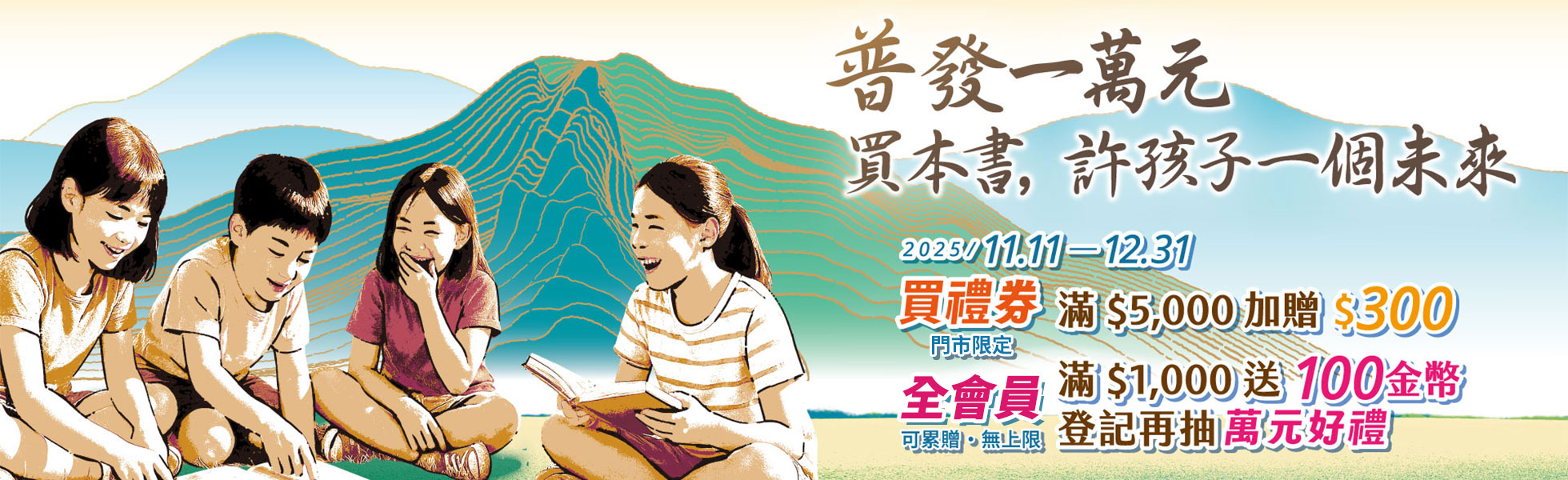
全站滿$1000送100點金幣,可累送! 新會員直接領$500!

內容簡介
Taiwan’s status as an island surrounded by powerful nation states has forced upon it a history of permeable borders and an ever fluctuating cultural subjectivity. Originally inhabited by Austronesian tribal peoples, the island has over the centuries fallen under the political, economic, and cultural influences of the Spanish, Dutch, Japanese, and Chinese occupiers. Globalization has further transformed and complicated Taiwan’s vistas of political reforms, cultural productions, and ethnic re-composition. Such gradual but radical transformation has, in countless ways, encouraged the nation-state identity and identification to vacillate between insularism and globalization. This collection is an example of the multitude of voices that speak for Taiwan. These selected essays, contributed by scholars from different countries (Canada, Hong Kong, Singapore, Taiwan, UK, and USA), engage with the debates on Taiwan’s identity and nationhood while also attempting to step beyond the nationalistic frame. Whereas the openness to new ideas may alter our perspectives, this collection reminds us to embrace external influences without forgetting to celebrate our unbroken, unique historical legacy.
目錄
Acknowledgements
Introduction
The Voyage of the Sandeq Explorer: A Taiwanese Adventure in the Austronesian World by Terence Russell
Tribal Gothic: Supernatural Images of Resurrection and Insurrection in Taiwanese Aboriginal and New Zealand Maori Writing by Timothy Fox
Where Is Her(e): M?tissage as Indigenous Intervention in Taiwanese Liglav A-Wu’s Who Will Wear the Beautiful Garments I Weave? and Canadian Lee Maracle’s I Am Woman: A Native Perspective on Sociology and Feminism by Bennett Yu-hsiang Fu
Risky Fiction: Betrayal and Romance in The Jing Affair by Chih-ming Wang
Heart of Madness: Identity Crisis and Cultural Conflicts in the Colonial World
by Paoi Hwang
Alienation, Marginality, and the Re-Imagination of Cultural Identity: The Impact of Colonialism and Shi Shuqing’s Defamiliarization of Taiwan and Hong Kong by Isaac Yue
Transcending Intellectual Boundaries: The Lyrical Phenomena of Fang Wenshan by Lim Lee Ching
The Vanishing Self: A Suggestion by John Wu, Jr.
Elliptical Taiwan or On Beauty by Jeremy Fernando
Notes on Contributors
Index
Introduction
The Voyage of the Sandeq Explorer: A Taiwanese Adventure in the Austronesian World by Terence Russell
Tribal Gothic: Supernatural Images of Resurrection and Insurrection in Taiwanese Aboriginal and New Zealand Maori Writing by Timothy Fox
Where Is Her(e): M?tissage as Indigenous Intervention in Taiwanese Liglav A-Wu’s Who Will Wear the Beautiful Garments I Weave? and Canadian Lee Maracle’s I Am Woman: A Native Perspective on Sociology and Feminism by Bennett Yu-hsiang Fu
Risky Fiction: Betrayal and Romance in The Jing Affair by Chih-ming Wang
Heart of Madness: Identity Crisis and Cultural Conflicts in the Colonial World
by Paoi Hwang
Alienation, Marginality, and the Re-Imagination of Cultural Identity: The Impact of Colonialism and Shi Shuqing’s Defamiliarization of Taiwan and Hong Kong by Isaac Yue
Transcending Intellectual Boundaries: The Lyrical Phenomena of Fang Wenshan by Lim Lee Ching
The Vanishing Self: A Suggestion by John Wu, Jr.
Elliptical Taiwan or On Beauty by Jeremy Fernando
Notes on Contributors
Index
序/導讀
序
This collection engages with the political debates on Taiwan’s identity and nationhood while also attempting to step beyond them. The first three essays focus on aboriginal culture and literature because a major development in the preserving and revising of Taiwan’s culture has centered on aboriginal people and their rights. When the Chinese Nationalists arrived in Taiwan at the close of the Chinese Civil War, they promoted an ideology that not only sought to overturn the previous Japanese nationalism but also strove to suppress the Taiwanese native and indigenous presence. One approach toward this goal was forced name changing. Just as the Japanese colonial authorities had called upon name changing as a form of assimilation, so too the Nationalist regime made it compulsory for tribal people to adopt Chinese names. Under the leadership of Yi-chiang Pa-lu-erh, the Alliance of Taiwanese Aborigines pushed for democratization in requesting “the right to self-government, [and] determining the course of their own affairs in all matters except foreign policy and defence.” Terence Russell’s “The Voyage of the Sandeq Explorer: A Taiwanese Adventure in the Austronesian World” uses Anthony D. Smith’s argument on ethnicity to establish the Austronesians as having the earliest and most legitimate claim to Taiwan, but he also points out that allusions to such a heritage can obscure Taiwan’s push for nationhood insofar as the Austronesian identity is shared by many countries in the Pacific. Timothy Fox’s “Tribal Gothic: Supernatural Images of Resurrection and Insurrection in Taiwanese Aboriginal and New Zealand Maori Writing” further explores this Austronesian connection between aboriginal writing in Taiwan and New Zealand. By looking at supernatural elements in both cultures in relation to the Western Gothic tradition, Fox is able to demonstrate that a nation’s indigenous tribal presence is vital to the formation of its identity. Bennett Yu-hsiang Fu’s “Where Is Her(e): M?tissage as Indigenous Intervention in Taiwanese Liglav A-Wu’s Who Will Wear the Beautiful Garments I Weave? and Canadian Lee Maracle’s I Am Woman: A Native Perspective on Sociology and Feminism” takes the importance of indigeneity one step further. Fu argues that it is inevitable for cultures to mix and merge over time; thus, it is the m?tissage that allows marginalized groups like the aboriginal people of Taiwan and Canada to form a common solidarity to overturn hegemonic discourses and policies.
The martial law that sought to suppress the Taiwanese spirit not only affected the aborigines but also the majority of Taiwan’s inhabitants who saw themselves as “Taiwanese.” The second set of essays provides closer analyses of colonization and its effects on Taiwan. Chih-ming Wang’s “Risky Fiction: Betrayal and Romance in The Jing Affair” is based on a novel that fictionalizes the politics in Taiwan in the 1960s. The Jing Affair is written by an American government official who fantasizes about Taiwanese revolution and the Chinese Nationalist government’s betrayal of its American ally. Paoi Hwang’s “Heart of Madness: Identity Crisis and Cultural Conflicts in the Colonial World” is a more factual analysis of how colonization can lead to madness in both the individual and the nation. Hwang’s essay compares the works of seminal writers like Joseph Conrad, Chinua Achebe and Wu Zhuoliu to theorize on the damage of cultural conflicts under colonial rule and the impact it has on nation and identity formation. Isaac Yue’s “Alienation, Marginality, and the Re-Imagination of Cultural Identity: The Impact of Colonialism and Shi Shuqing’s Defamiliarization of Taiwan and Hong Kong” examines the advantages and disadvantages of cultural defamiliarization and alienation. Yue uses the works of Taiwanese author Shi Shuqing to examine the literary constitution of Hong Kong. He concludes that while colonization may adversely affect the individual, the resulting “deformity” ma
This collection engages with the political debates on Taiwan’s identity and nationhood while also attempting to step beyond them. The first three essays focus on aboriginal culture and literature because a major development in the preserving and revising of Taiwan’s culture has centered on aboriginal people and their rights. When the Chinese Nationalists arrived in Taiwan at the close of the Chinese Civil War, they promoted an ideology that not only sought to overturn the previous Japanese nationalism but also strove to suppress the Taiwanese native and indigenous presence. One approach toward this goal was forced name changing. Just as the Japanese colonial authorities had called upon name changing as a form of assimilation, so too the Nationalist regime made it compulsory for tribal people to adopt Chinese names. Under the leadership of Yi-chiang Pa-lu-erh, the Alliance of Taiwanese Aborigines pushed for democratization in requesting “the right to self-government, [and] determining the course of their own affairs in all matters except foreign policy and defence.” Terence Russell’s “The Voyage of the Sandeq Explorer: A Taiwanese Adventure in the Austronesian World” uses Anthony D. Smith’s argument on ethnicity to establish the Austronesians as having the earliest and most legitimate claim to Taiwan, but he also points out that allusions to such a heritage can obscure Taiwan’s push for nationhood insofar as the Austronesian identity is shared by many countries in the Pacific. Timothy Fox’s “Tribal Gothic: Supernatural Images of Resurrection and Insurrection in Taiwanese Aboriginal and New Zealand Maori Writing” further explores this Austronesian connection between aboriginal writing in Taiwan and New Zealand. By looking at supernatural elements in both cultures in relation to the Western Gothic tradition, Fox is able to demonstrate that a nation’s indigenous tribal presence is vital to the formation of its identity. Bennett Yu-hsiang Fu’s “Where Is Her(e): M?tissage as Indigenous Intervention in Taiwanese Liglav A-Wu’s Who Will Wear the Beautiful Garments I Weave? and Canadian Lee Maracle’s I Am Woman: A Native Perspective on Sociology and Feminism” takes the importance of indigeneity one step further. Fu argues that it is inevitable for cultures to mix and merge over time; thus, it is the m?tissage that allows marginalized groups like the aboriginal people of Taiwan and Canada to form a common solidarity to overturn hegemonic discourses and policies.
The martial law that sought to suppress the Taiwanese spirit not only affected the aborigines but also the majority of Taiwan’s inhabitants who saw themselves as “Taiwanese.” The second set of essays provides closer analyses of colonization and its effects on Taiwan. Chih-ming Wang’s “Risky Fiction: Betrayal and Romance in The Jing Affair” is based on a novel that fictionalizes the politics in Taiwan in the 1960s. The Jing Affair is written by an American government official who fantasizes about Taiwanese revolution and the Chinese Nationalist government’s betrayal of its American ally. Paoi Hwang’s “Heart of Madness: Identity Crisis and Cultural Conflicts in the Colonial World” is a more factual analysis of how colonization can lead to madness in both the individual and the nation. Hwang’s essay compares the works of seminal writers like Joseph Conrad, Chinua Achebe and Wu Zhuoliu to theorize on the damage of cultural conflicts under colonial rule and the impact it has on nation and identity formation. Isaac Yue’s “Alienation, Marginality, and the Re-Imagination of Cultural Identity: The Impact of Colonialism and Shi Shuqing’s Defamiliarization of Taiwan and Hong Kong” examines the advantages and disadvantages of cultural defamiliarization and alienation. Yue uses the works of Taiwanese author Shi Shuqing to examine the literary constitution of Hong Kong. He concludes that while colonization may adversely affect the individual, the resulting “deformity” ma
配送方式
-
台灣
- 國內宅配:本島、離島
-
到店取貨:
 不限金額免運費



-
海外
- 國際快遞:全球
-
港澳店取:


訂購/退換貨須知
加入金石堂 LINE 官方帳號『完成綁定』,隨時掌握出貨動態:


提醒您!!
金石堂及銀行均不會請您操作ATM! 如接獲電話要求您前往ATM提款機,請不要聽從指示,以免受騙上當!
退換貨須知:
**提醒您,鑑賞期不等於試用期,退回商品須為全新狀態**
-
依據「消費者保護法」第19條及行政院消費者保護處公告之「通訊交易解除權合理例外情事適用準則」,以下商品購買後,除商品本身有瑕疵外,將不提供7天的猶豫期:
- 易於腐敗、保存期限較短或解約時即將逾期。(如:生鮮食品)
- 依消費者要求所為之客製化給付。(客製化商品)
- 報紙、期刊或雜誌。(含MOOK、外文雜誌)
- 經消費者拆封之影音商品或電腦軟體。
- 非以有形媒介提供之數位內容或一經提供即為完成之線上服務,經消費者事先同意始提供。(如:電子書、電子雜誌、下載版軟體、虛擬商品…等)
- 已拆封之個人衛生用品。(如:內衣褲、刮鬍刀、除毛刀…等)
- 若非上列種類商品,均享有到貨7天的猶豫期(含例假日)。
- 辦理退換貨時,商品(組合商品恕無法接受單獨退貨)必須是您收到商品時的原始狀態(包含商品本體、配件、贈品、保證書、所有附隨資料文件及原廠內外包裝…等),請勿直接使用原廠包裝寄送,或於原廠包裝上黏貼紙張或書寫文字。
- 退回商品若無法回復原狀,將請您負擔回復原狀所需費用,嚴重時將影響您的退貨權益。


商品評價