




Risk Management
Risk Management




活動訊息
中文書、漫畫輕小說5折起、電子書35元起,全館滿$1,000送100點金幣
內容簡介
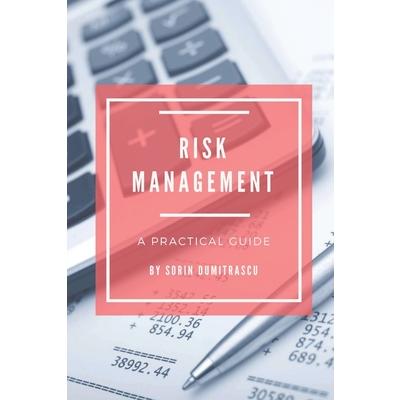
As a manager, it can be a challenge to ensure your team's project is finished on time and within budget. Risks such as rising costs, new regulations, and volatile markets can all affect your project's goals. But what exactly is risk? A risk can be described as the combination of the likelihood and consequences of an event occurring. To mitigate or avoid these consequences, your organization needs to have an effective risk management strategy in place.Risk management enables you to highlight the risks that your project is exposed to. It also allows you to develop a contingency plan to overcome them. Some of its main aims are to secure an organization's cash flow, to protect its reputation and resources, and to ensure projects stay within budget.Risk management consists of a three-step process. First, you identify the potential risks to your project. Second, you assess the risks in terms of their probability and severity, and prioritize them accordingly. And third, you deal with the biggest risks to your project by creating an effective plan of action.This course describes how to carry out the first step, identifying risks. You'll learn about the different risk identification techniques involved, such as root cause analysis and documentation reviews, and you'll find out when they should be used. You'll then examine one specific technique, brainstorming, in further detail. You'll learn how to prepare and conduct your session and manage group dynamics. You'll then have an opportunity to practice facilitating a brainstorming session in a simulated situation.At the end of this course, you should be better able to identify risks to your project. And you should find it easier to overcome some of the challenges of conducting a brainstorming session.There are four questions you must ask when assessing opportunities for your department or individual project.The first question is, "What events would increase the probability of the opportunity occurring?" There are many variables you may be able to change with regard to an opportunity's likelihood.The second question is, "How can we encourage those events to occur?" This involves deciding what actions to take to improve the chances an opportunity will come about.Once an opportunity presents itself the third question is, "How can we capitalize on an opportunity that occurs?" Make sure you have the right resources in place to get the most benefit from the opportunity.The fourth and final question is, "How will we know when the opportunity has occurred?" Set out triggers and a timeline to measure the opportunity's progress.As a manager, you probably have to deal with risks from time to time in your organization. Some risks are negative and may pose a threat to your plans. Others have an upside and offer positive opportunities. Whatever type of risk you encounter, it's important to deal with both threats and opportunities in an effective way.To help deal with risk effectively, you need to put a risk management - or RM - process in place. The first stage in this process is to identify the risks you're dealing with. Stage two is to assess the risks you've identified. And at stage three you deal with the risks. This course focuses on stage three of the risk management process - dealing with risk.When dealing with risks, it's important to choose the most efficient and cost-effective response in each case.This course describes various ways of responding to threats effectively. So, you'll be better equipped to manage threats when they do occur.The course also outlines various responses you could consider when you encounter an opportunity. This should help you to seize opportunities and make the most of them.In addition, the course describes the importance of contingency planning. This involves planning responses in case risk events actually occur. It also involves assigning reserves so that the responses can be implemented when necessary.
配送方式
-
台灣
- 國內宅配:本島、離島
-
到店取貨:
 不限金額免運費



-
海外
- 國際快遞:全球
-
港澳店取:


訂購/退換貨須知
加入金石堂 LINE 官方帳號『完成綁定』,隨時掌握出貨動態:


商品運送說明:
- 本公司所提供的產品配送區域範圍目前僅限台灣本島。注意!收件地址請勿為郵政信箱。
- 商品將由廠商透過貨運或是郵局寄送。消費者訂購之商品若無法送達,經電話或 E-mail無法聯繫逾三天者,本公司將取消該筆訂單,並且全額退款。
- 當廠商出貨後,您會收到E-mail出貨通知,您也可透過【訂單查詢】確認出貨情況。
- 產品顏色可能會因網頁呈現與拍攝關係產生色差,圖片僅供參考,商品依實際供貨樣式為準。
- 如果是大型商品(如:傢俱、床墊、家電、運動器材等)及需安裝商品,請依商品頁面說明為主。訂單完成收款確認後,出貨廠商將會和您聯繫確認相關配送等細節。
- 偏遠地區、樓層費及其它加價費用,皆由廠商於約定配送時一併告知,廠商將保留出貨與否的權利。
提醒您!!
金石堂及銀行均不會請您操作ATM! 如接獲電話要求您前往ATM提款機,請不要聽從指示,以免受騙上當!
退換貨須知:
**提醒您,鑑賞期不等於試用期,退回商品須為全新狀態**
-
依據「消費者保護法」第19條及行政院消費者保護處公告之「通訊交易解除權合理例外情事適用準則」,以下商品購買後,除商品本身有瑕疵外,將不提供7天的猶豫期:
- 易於腐敗、保存期限較短或解約時即將逾期。(如:生鮮食品)
- 依消費者要求所為之客製化給付。(客製化商品)
- 報紙、期刊或雜誌。(含MOOK、外文雜誌)
- 經消費者拆封之影音商品或電腦軟體。
- 非以有形媒介提供之數位內容或一經提供即為完成之線上服務,經消費者事先同意始提供。(如:電子書、電子雜誌、下載版軟體、虛擬商品…等)
- 已拆封之個人衛生用品。(如:內衣褲、刮鬍刀、除毛刀…等)
- 若非上列種類商品,均享有到貨7天的猶豫期(含例假日)。
- 辦理退換貨時,商品(組合商品恕無法接受單獨退貨)必須是您收到商品時的原始狀態(包含商品本體、配件、贈品、保證書、所有附隨資料文件及原廠內外包裝…等),請勿直接使用原廠包裝寄送,或於原廠包裝上黏貼紙張或書寫文字。
- 退回商品若無法回復原狀,將請您負擔回復原狀所需費用,嚴重時將影響您的退貨權益。


商品評價