



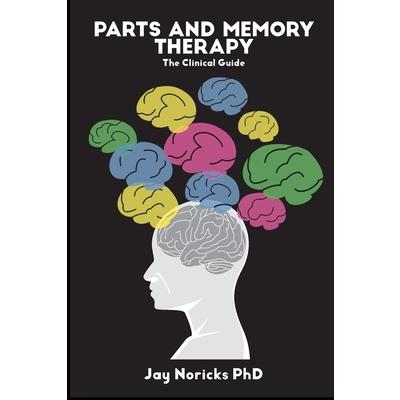
Parts and Memory Therapy




活動訊息
中文書、漫畫輕小說5折起、電子書35元起,全館滿$1,000送100點金幣
內容簡介
A "Part" with a capital "P" is the term I use to reference what other scholars call parts, ego states, sides, subpersonalities, voices, self-states, and many more. I will sometimes use the word "subpersonality" or "ego state" in place of "Part" to avoid monotony and also to make specific grammatical issues easier to negotiate. These terms refer to natural subdivisions in what we usually call our personality or our self. The bottom line is that the self or personality is not unitary; it's made up of many Parts...
The Guide describe many other variations in how Parts present themselves. But Parts are only half of the elements need to make P&MT work. The other half is the visualization of change that leads to permanently neutralizing the emotional memories that maintain the problem. Our interventions take advantage of memory reconsolidation, a recently discovered natural neurological process in memory formation and reformation. As utilized in our model, it permits us to neutralize the disturbing emotional memories (such as fear, grief, anger) without changing the factual, autobiographical narrative that lies at the heart of our patients' difficulties. Previously, such emotional memories were thought to be indelible. In the therapy, we confront the wounded Part of the self that carries the pain of the trauma with information or action that contradicts or creates a mismatch with the Part's expectation of continuation of its pain. That neutralizes the memory.
The major assumption made in this guide to psychotherapy is that all or nearly all mental health problems are the result of traumatic or other disturbing experiences during childhood and growing up. Since we know of these experiences only because of our memories, it follows that the solutions to mental health problems must involve the study of those memories. Beyond the rather normal memories of experiencing childhood distress such as rejection by friends or family, abandonment by a parent following divorce, being victimized by bullying, or ostracized by peers into the unpopular group, there are more than a thousand formal diagnoses recognized by the American Psychiatric Association. This guide to treatment addresses only a few widely recognized issues and provides protocols for their treatment. But these protocols can be easily adapted to many other issues that readers might wish to work with. The protocols provide guidelines for working with addictions, compulsions like trichotillomania, excoriation, and nail-biting, pain syndromes like IBS and fibromyalgia, women's issues like PMS and PMDD, and utilizing a parent surrogate to help a mute child break free of a school phobia. There is even a protocol for letting go of romantic love when that love brings only pain and a hopeless future.
配送方式
-
台灣
- 國內宅配:本島、離島
-
到店取貨:
 不限金額免運費



-
海外
- 國際快遞:全球
-
港澳店取:


訂購/退換貨須知
加入金石堂 LINE 官方帳號『完成綁定』,隨時掌握出貨動態:
商品運送說明:
- 本公司所提供的產品配送區域範圍目前僅限台灣本島。注意!收件地址請勿為郵政信箱。
- 商品將由廠商透過貨運或是郵局寄送。消費者訂購之商品若無法送達,經電話或 E-mail無法聯繫逾三天者,本公司將取消該筆訂單,並且全額退款。
- 當廠商出貨後,您會收到E-mail出貨通知,您也可透過【訂單查詢】確認出貨情況。
- 產品顏色可能會因網頁呈現與拍攝關係產生色差,圖片僅供參考,商品依實際供貨樣式為準。
- 如果是大型商品(如:傢俱、床墊、家電、運動器材等)及需安裝商品,請依商品頁面說明為主。訂單完成收款確認後,出貨廠商將會和您聯繫確認相關配送等細節。
- 偏遠地區、樓層費及其它加價費用,皆由廠商於約定配送時一併告知,廠商將保留出貨與否的權利。
提醒您!!
金石堂及銀行均不會請您操作ATM! 如接獲電話要求您前往ATM提款機,請不要聽從指示,以免受騙上當!
退換貨須知:
**提醒您,鑑賞期不等於試用期,退回商品須為全新狀態**
-
依據「消費者保護法」第19條及行政院消費者保護處公告之「通訊交易解除權合理例外情事適用準則」,以下商品購買後,除商品本身有瑕疵外,將不提供7天的猶豫期:
- 易於腐敗、保存期限較短或解約時即將逾期。(如:生鮮食品)
- 依消費者要求所為之客製化給付。(客製化商品)
- 報紙、期刊或雜誌。(含MOOK、外文雜誌)
- 經消費者拆封之影音商品或電腦軟體。
- 非以有形媒介提供之數位內容或一經提供即為完成之線上服務,經消費者事先同意始提供。(如:電子書、電子雜誌、下載版軟體、虛擬商品…等)
- 已拆封之個人衛生用品。(如:內衣褲、刮鬍刀、除毛刀…等)
- 若非上列種類商品,均享有到貨7天的猶豫期(含例假日)。
- 辦理退換貨時,商品(組合商品恕無法接受單獨退貨)必須是您收到商品時的原始狀態(包含商品本體、配件、贈品、保證書、所有附隨資料文件及原廠內外包裝…等),請勿直接使用原廠包裝寄送,或於原廠包裝上黏貼紙張或書寫文字。
- 退回商品若無法回復原狀,將請您負擔回復原狀所需費用,嚴重時將影響您的退貨權益。


商品評價