




Consumerism and Prestige




內容簡介
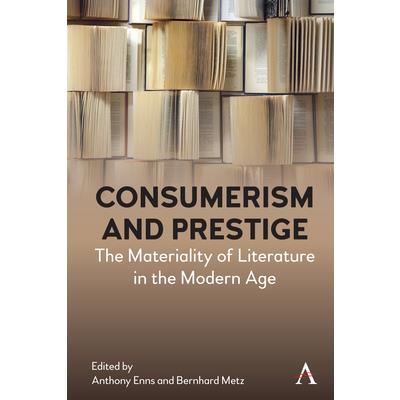
This anthology explores the relationships and interdependencies between literary production and distinctions of taste by examining how the material aspects of literary texts, such as the cover, binding, typography, and paper stock, reflect or even determine their cultural status. In the nineteenth century, for example, the industrialization of printing made possible a wide range of cheap formats, such as dime novels, pulp magazines, and paperbacks, which made literature available to a mass reading public. The increased demand for new content effectively lowered the cultural entrance level, which resulted in a tremendous expansion of popular or trivial fiction. These developments were often perceived as a threat to traditional literary institutions, which increasingly relied on material distinctions as a way of preserving their cultural authority, and some publishers even attempted to mimic the conventions of exclusivity by creating deluxe editions that were designed to preserve the privileged status of so-called "highbrow" texts. In many cases, the distinctions between "highbrow" and "lowbrow" taste actually had little to do with the content of the texts themselves, as books more often functioned as markers of socioeconomic status, like clothing or home d矇cor. At the risk of being provocative, one might even go so far as to say that the concept of literary taste was more closely related to fashion sense than critical judgment. The anthology seeks to address this claim by examining how the tensions between consumerism and prestige reflect fundamental historical changes with regard to the development of technology, literacy, and social power. The individual chapters cover a wide range of historical periods, genres, and national literatures, and they are divided into four sections that focus on different ways in which the materiality of literature is related to cultural prestige. The first section, "Material Forms and Literary Publishing," focuses on how writers and publishers used the material properties of books to enhance their symbolic value and to challenge the idea of literature as a mass-produced commodity. These material strategies thus served to reinforce traditional distinctions of taste, which were closely aligned with the power of the literary elite, as the consumers of deluxe editions often sought to acquire respect and admiration within their social spheres. The second section, "Material Distinctions in Popular Fiction," examines how the publishers of popular texts also used the material properties of books to enhance their symbolic and economic value, as works that were perceived as less prestigious were often more marketable, yet they could appeal to different groups of readers in different ways based on an alternative set of cultural distinctions. Instead of using books to signify their socioeconomic status, for example, fans of popular genre fiction more often fetishize special editions as a way of gaining prestige within their own reading communities. The third section, "Cultural Prestige and Graphic Narratives," focuses on how the material properties of visual texts were also used to signify the differences between "low" and "high" art. The graphic novel format, for example, often served to enhance the status of previously lowbrow content by presenting it as a durable work that was worthy of being sold in bookstores and preserved in archives. The fourth and final section, "Electronic Publishing and Reading Practices," also focuses on how new forms of electronic display are currently transforming the status of literary texts. While some contributors argue that e-books are potentially more prestigious than printed books, as they are less dependent on the economic imperatives of the publishing industry, others argue that printed books continue to serve a crucial non-literary function as markers of socioeconomic status. As with the other sections, therefore, the contributors in this section agree that distinct
贈品
指定商品滿$888即贈 閱讀隨行袋(款式隨機)

配送方式
-
台灣
- 國內宅配:本島、離島
-
到店取貨:
-
海外
- 國際快遞:全球
訂購/退換貨須知
加入金石堂 LINE 官方帳號『完成綁定』,隨時掌握出貨動態:


商品運送說明:
- 本公司所提供的產品配送區域範圍目前僅限台灣本島。注意!收件地址請勿為郵政信箱。
- 商品將由廠商透過貨運或是郵局寄送。消費者訂購之商品若無法送達,經電話或 E-mail無法聯繫逾三天者,本公司將取消該筆訂單,並且全額退款。
- 當廠商出貨後,您會收到E-mail出貨通知,您也可透過【訂單查詢】確認出貨情況。
- 產品顏色可能會因網頁呈現與拍攝關係產生色差,圖片僅供參考,商品依實際供貨樣式為準。
- 如果是大型商品(如:傢俱、床墊、家電、運動器材等)及需安裝商品,請依商品頁面說明為主。訂單完成收款確認後,出貨廠商將會和您聯繫確認相關配送等細節。
- 偏遠地區、樓層費及其它加價費用,皆由廠商於約定配送時一併告知,廠商將保留出貨與否的權利。
提醒您!!
金石堂及銀行均不會請您操作ATM! 如接獲電話要求您前往ATM提款機,請不要聽從指示,以免受騙上當!
退換貨須知:
**提醒您,鑑賞期不等於試用期,退回商品須為全新狀態**
-
依據「消費者保護法」第19條及行政院消費者保護處公告之「通訊交易解除權合理例外情事適用準則」,以下商品購買後,除商品本身有瑕疵外,將不提供7天的猶豫期:
- 易於腐敗、保存期限較短或解約時即將逾期。(如:生鮮食品)
- 依消費者要求所為之客製化給付。(客製化商品)
- 報紙、期刊或雜誌。(含MOOK、外文雜誌)
- 經消費者拆封之影音商品或電腦軟體。
- 非以有形媒介提供之數位內容或一經提供即為完成之線上服務,經消費者事先同意始提供。(如:電子書、電子雜誌、下載版軟體、虛擬商品…等)
- 已拆封之個人衛生用品。(如:內衣褲、刮鬍刀、除毛刀…等)
- 若非上列種類商品,均享有到貨7天的猶豫期(含例假日)。
- 辦理退換貨時,商品(組合商品恕無法接受單獨退貨)必須是您收到商品時的原始狀態(包含商品本體、配件、贈品、保證書、所有附隨資料文件及原廠內外包裝…等),請勿直接使用原廠包裝寄送,或於原廠包裝上黏貼紙張或書寫文字。
- 退回商品若無法回復原狀,將請您負擔回復原狀所需費用,嚴重時將影響您的退貨權益。





商品評價