




The New Builders





內容簡介
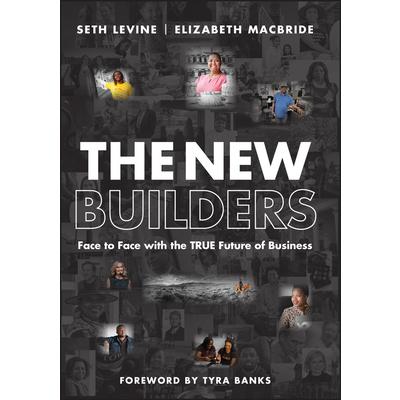
Despite popular belief to the contrary, entrepreneurship in the United States is dying. It has been since before the Great Recession of 2008, and the negative trend in American entrepreneurship has been accelerated by the Covid pandemic. New firms are being started at a slower rate, are employing fewer workers, and are being formed disproportionately in just a few major cities in the U.S. At the same time, large chains are opening more locations. Companies such as Amazon with their "deliver everything and anything" are rapidly displacing Main Street businesses.
In The New Builders, we tell the stories of the next generation of entrepreneurs -- and argue for the future of American entrepreneurship. That future lies in surprising places -- and will in particular rely on the success of women, black and brown entrepreneurs. Our country hasn't yet even recognized the identities of the New Builders, let alone developed strategies to support them.
Our misunderstanding is driven by a core misperception. Consider a "typical" American entrepreneur. Think about the entrepreneur who appears on TV, the business leader making headlines during the pandemic. Think of the type of businesses she or he is building, the college or business school they attended, the place they grew up.
The image you probably conjured is that of a young, white male starting a technology business. He's likely in Silicon Valley. Possibly New York or Boston. He's self-confident, versed in the ins and outs of business funding and has an extensive (Ivy League?) network of peers and mentors eager to help his business thrive, grow and make millions, if not billions.
You'd think entrepreneurship is thriving, and helping the United States maintain its economic power.
You'd be almost completely wrong.
The dominant image of an entrepreneur as a young white man starting a tech business on the coasts isn't correct at all. Today's American entrepreneurs, the people who drive critical parts of our economy, are more likely to be female and non-white. In fact, the number of women-owned businesses has increased 31 times between 1972 and 2018 according to the Kauffman Foundation (in 1972, women-owned businesses accounted for just 4.6% of all firms; in 2018 that figure was 40%). The fastest-growing group of female entrepreneurs are women of color, who are responsible for 64% of new women-owned businesses being created.
In a few years, we believe women will make up more than half of the entrepreneurs in America.
The age of the average American entrepreneur also belies conventional wisdom: It's 42. The average age of the most successful entrepreneurs -- those in the top .01% in terms of their company's growth in the first five years -- is 45.
These are the New Builders. Women, people of color, immigrants and people over 40.
We're failing them. And by doing so, we are failing ourselves.
In this book, you'll learn: How the definition of business success in America today has grown corporate and around the concepts of growth, size, and consumption. Why and how our collective understanding of "entrepreneurship" has dangerously narrowed. Once a broad term including people starting businesses of all types, entrepreneurship has come to describe only the brash technology founders on the way to becoming big. Who are the fastest growing groups of entrepreneurs? What are they working on? What drives them? The real engine that drove Silicon Valley's entrepreneurs. The government had a much bigger role than is widely known The extent to which entrepreneurs and small businesses are woven through our history, and the ways we have forgotten women and people of color who owned small businesses in the past. How we're increasingly afraid to fail The role small businesses are playing saving the wilderness, small towns and redlined communities
What we can do to turn the decline in entrepreneurship around, especially be supporting the people who are courageousl
配送方式
-
台灣
- 國內宅配:本島、離島
-
到店取貨:
 不限金額免運費



-
海外
- 國際快遞:全球
-
港澳店取:


訂購/退換貨須知
加入金石堂 LINE 官方帳號『完成綁定』,隨時掌握出貨動態:


商品運送說明:
- 本公司所提供的產品配送區域範圍目前僅限台灣本島。注意!收件地址請勿為郵政信箱。
- 商品將由廠商透過貨運或是郵局寄送。消費者訂購之商品若無法送達,經電話或 E-mail無法聯繫逾三天者,本公司將取消該筆訂單,並且全額退款。
- 當廠商出貨後,您會收到E-mail出貨通知,您也可透過【訂單查詢】確認出貨情況。
- 產品顏色可能會因網頁呈現與拍攝關係產生色差,圖片僅供參考,商品依實際供貨樣式為準。
- 如果是大型商品(如:傢俱、床墊、家電、運動器材等)及需安裝商品,請依商品頁面說明為主。訂單完成收款確認後,出貨廠商將會和您聯繫確認相關配送等細節。
- 偏遠地區、樓層費及其它加價費用,皆由廠商於約定配送時一併告知,廠商將保留出貨與否的權利。
提醒您!!
金石堂及銀行均不會請您操作ATM! 如接獲電話要求您前往ATM提款機,請不要聽從指示,以免受騙上當!
退換貨須知:
**提醒您,鑑賞期不等於試用期,退回商品須為全新狀態**
-
依據「消費者保護法」第19條及行政院消費者保護處公告之「通訊交易解除權合理例外情事適用準則」,以下商品購買後,除商品本身有瑕疵外,將不提供7天的猶豫期:
- 易於腐敗、保存期限較短或解約時即將逾期。(如:生鮮食品)
- 依消費者要求所為之客製化給付。(客製化商品)
- 報紙、期刊或雜誌。(含MOOK、外文雜誌)
- 經消費者拆封之影音商品或電腦軟體。
- 非以有形媒介提供之數位內容或一經提供即為完成之線上服務,經消費者事先同意始提供。(如:電子書、電子雜誌、下載版軟體、虛擬商品…等)
- 已拆封之個人衛生用品。(如:內衣褲、刮鬍刀、除毛刀…等)
- 若非上列種類商品,均享有到貨7天的猶豫期(含例假日)。
- 辦理退換貨時,商品(組合商品恕無法接受單獨退貨)必須是您收到商品時的原始狀態(包含商品本體、配件、贈品、保證書、所有附隨資料文件及原廠內外包裝…等),請勿直接使用原廠包裝寄送,或於原廠包裝上黏貼紙張或書寫文字。
- 退回商品若無法回復原狀,將請您負擔回復原狀所需費用,嚴重時將影響您的退貨權益。


商品評價