




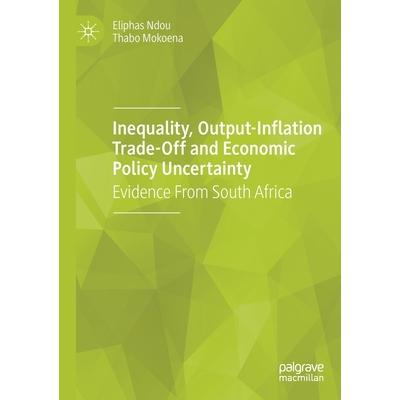
Inequality, Output-Inflation Trade-Off and Economic Policy Uncertainty
Inequality, Output-Inflation Trade-Off and Economic Policy Uncertainty



-
 預計最高可得金幣205點
?
可100%折抵
預計最高可得金幣205點
?
可100%折抵
活動加倍另計 -
HAPPY GO享100累1點 4點抵1元 折抵無上限
-
分類:追蹤? 追蹤分類後,您會在第一時間收到分類新品通知。
- 作者: Eliphas,Ndou 追蹤 ? 追蹤作者後,您會在第一時間收到作者新書通知。
- 出版社: Palgrave M 追蹤 ? 追蹤出版社後,您會在第一時間收到出版社新書通知。
- 出版日:2020/08/27
- 信用卡分期: 6期 0利率 每期 696元 更多分期


內容簡介
1. Introduction
Part 1 Income inequality and GDP Growth and inflation regime
2. Income inequality and GDP growth nexus in South Africa: Does the 4.5 percent consumer price inflation threshold and other channels play a role?
3. Does the inflation rate below 4.5 percent matter for the distributional effects of positive inflation shocks on income inequality in South Africa?
Part 2 Inequality and monetary policy
4. Does income inequality channel impact the transmission of monetary policy shocks to economic activity?
5. Do monetary policy shocks influence income inequality dynamics in South Africa?
6. Does trade openness impact the link between monetary policy and both income inequality and consumption inequality?
7. Does financial globalisation impact the link between monetary policy and income inequality?
Part 3 Role of monetary channel in transmitting shocks to income inequality
8. Does monetary policy impact the effects of shares of manufacturing employment shocks on income inequality?
9. Is there a role for the monetary policy channel in transmitting positive shocks to the services sector employment shares to income inequality?
Part 4: Consumption inequality
10. Does the consumption inequality channel impact the transmission of positive income inequality shocks to credit dynamics in South Africa? Insights before 2009Q1
11. Does price stability impact the link between income inequality and consumption inequality?
Part 5: Macroprudential policy and income inequality
12. Do positive excess capital adequacy ratio shocks influence the income inequality dynamics in South Africa?13. Does a loose loan to value ratio shock have any distributive effects via the inequality channel?
14. Is the National Credit Act a driver of growth of income inequality?
15. Can an unexpected loosening in labour market reforms reduce growth of income inequality in South Africa?
Part 6: Bank concentration and income inequality and other channels
16. Do positive bank concentration shocks impact economic growth in South Africa?
17. Does the increase in banking concentration impact income inequality in South Africa?
18. Do positive bank concentration shocks impact on employment in South Africa?
Part 7: Output-inflation trade-off and role of inflation regimes19. Is there evidence of the trade offs in output and inflation volatilities in South Africa?
20. To what extent does output-inflation trade-off exist in South Africa and is it impacted by the six percent inflation threshold?
21. Do inflation regimes affect the transmission of nominal demand shocks to the consumer price level?
22. Do positive nominal volatility shocks reduce output-inflation trade off and is there a role for inflation regimes?
Part 8: Output growth persistence and inflation
23. Does the persistence of output growth depend on the inflation regimes?
24. Do the effects of expansionary monetary policy shocks on output persistence depend on the inflation regimes?25. Output and policy ineffectiveness proposition: A perspective from single regression equations
Part 9: Uncertainty, expansionary monetary and fiscal policy multipliers
26. Does the economic policy uncertainty channel impact the influence of expansionar
Part 1 Income inequality and GDP Growth and inflation regime
2. Income inequality and GDP growth nexus in South Africa: Does the 4.5 percent consumer price inflation threshold and other channels play a role?
3. Does the inflation rate below 4.5 percent matter for the distributional effects of positive inflation shocks on income inequality in South Africa?
Part 2 Inequality and monetary policy
4. Does income inequality channel impact the transmission of monetary policy shocks to economic activity?
5. Do monetary policy shocks influence income inequality dynamics in South Africa?
6. Does trade openness impact the link between monetary policy and both income inequality and consumption inequality?
7. Does financial globalisation impact the link between monetary policy and income inequality?
Part 3 Role of monetary channel in transmitting shocks to income inequality
8. Does monetary policy impact the effects of shares of manufacturing employment shocks on income inequality?
9. Is there a role for the monetary policy channel in transmitting positive shocks to the services sector employment shares to income inequality?
Part 4: Consumption inequality
10. Does the consumption inequality channel impact the transmission of positive income inequality shocks to credit dynamics in South Africa? Insights before 2009Q1
11. Does price stability impact the link between income inequality and consumption inequality?
Part 5: Macroprudential policy and income inequality
12. Do positive excess capital adequacy ratio shocks influence the income inequality dynamics in South Africa?13. Does a loose loan to value ratio shock have any distributive effects via the inequality channel?
14. Is the National Credit Act a driver of growth of income inequality?
15. Can an unexpected loosening in labour market reforms reduce growth of income inequality in South Africa?
Part 6: Bank concentration and income inequality and other channels
16. Do positive bank concentration shocks impact economic growth in South Africa?
17. Does the increase in banking concentration impact income inequality in South Africa?
18. Do positive bank concentration shocks impact on employment in South Africa?
Part 7: Output-inflation trade-off and role of inflation regimes19. Is there evidence of the trade offs in output and inflation volatilities in South Africa?
20. To what extent does output-inflation trade-off exist in South Africa and is it impacted by the six percent inflation threshold?
21. Do inflation regimes affect the transmission of nominal demand shocks to the consumer price level?
22. Do positive nominal volatility shocks reduce output-inflation trade off and is there a role for inflation regimes?
Part 8: Output growth persistence and inflation
23. Does the persistence of output growth depend on the inflation regimes?
24. Do the effects of expansionary monetary policy shocks on output persistence depend on the inflation regimes?25. Output and policy ineffectiveness proposition: A perspective from single regression equations
Part 9: Uncertainty, expansionary monetary and fiscal policy multipliers
26. Does the economic policy uncertainty channel impact the influence of expansionar
贈品
指定商品滿$888即贈 閱讀隨行袋(款式隨機)
凡全站商品單筆訂單滿888元,即送「閱讀隨行袋」1個,款式隨機出貨。(數量有限,送完為止)
※ 海外訂單恕不提供贈品。
贈品已送完
配送方式
-
台灣
- 國內宅配:本島、離島
-
到店取貨:
-
海外
- 國際快遞:全球
詳細資料
詳細資料
-
- 語言
- 英文
- 裝訂
- 紙本平裝
-
- ISBN
- 9783030198053
- 分級
- 普通級
-
- 頁數
- 0
- 商品規格
-
- 出版地
- 英國
- 適讀年齡
- 全齡適讀
-
- 注音
- 級別
訂購/退換貨須知
加入金石堂 LINE 官方帳號『完成綁定』,隨時掌握出貨動態:


商品運送說明:
- 本公司所提供的產品配送區域範圍目前僅限台灣本島。注意!收件地址請勿為郵政信箱。
- 商品將由廠商透過貨運或是郵局寄送。消費者訂購之商品若無法送達,經電話或 E-mail無法聯繫逾三天者,本公司將取消該筆訂單,並且全額退款。
- 當廠商出貨後,您會收到E-mail出貨通知,您也可透過【訂單查詢】確認出貨情況。
- 產品顏色可能會因網頁呈現與拍攝關係產生色差,圖片僅供參考,商品依實際供貨樣式為準。
- 如果是大型商品(如:傢俱、床墊、家電、運動器材等)及需安裝商品,請依商品頁面說明為主。訂單完成收款確認後,出貨廠商將會和您聯繫確認相關配送等細節。
- 偏遠地區、樓層費及其它加價費用,皆由廠商於約定配送時一併告知,廠商將保留出貨與否的權利。
提醒您!!
金石堂及銀行均不會請您操作ATM! 如接獲電話要求您前往ATM提款機,請不要聽從指示,以免受騙上當!
退換貨須知:
**提醒您,鑑賞期不等於試用期,退回商品須為全新狀態**
-
依據「消費者保護法」第19條及行政院消費者保護處公告之「通訊交易解除權合理例外情事適用準則」,以下商品購買後,除商品本身有瑕疵外,將不提供7天的猶豫期:
- 易於腐敗、保存期限較短或解約時即將逾期。(如:生鮮食品)
- 依消費者要求所為之客製化給付。(客製化商品)
- 報紙、期刊或雜誌。(含MOOK、外文雜誌)
- 經消費者拆封之影音商品或電腦軟體。
- 非以有形媒介提供之數位內容或一經提供即為完成之線上服務,經消費者事先同意始提供。(如:電子書、電子雜誌、下載版軟體、虛擬商品…等)
- 已拆封之個人衛生用品。(如:內衣褲、刮鬍刀、除毛刀…等)
- 若非上列種類商品,均享有到貨7天的猶豫期(含例假日)。
- 辦理退換貨時,商品(組合商品恕無法接受單獨退貨)必須是您收到商品時的原始狀態(包含商品本體、配件、贈品、保證書、所有附隨資料文件及原廠內外包裝…等),請勿直接使用原廠包裝寄送,或於原廠包裝上黏貼紙張或書寫文字。
- 退回商品若無法回復原狀,將請您負擔回復原狀所需費用,嚴重時將影響您的退貨權益。





商品評價