




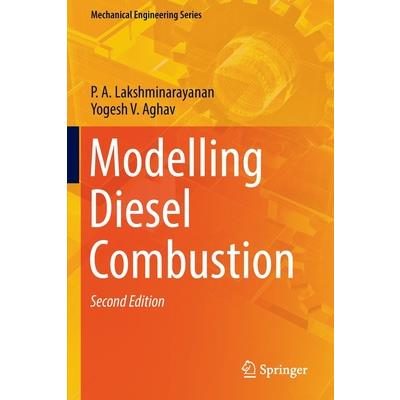
Modelling Diesel Combustion
Modelling Diesel Combustion





內容簡介
1 IntroductionRole of Internal Combustion EnginesDevelopments in DI Diesel enginesModelling of combustion in DI diesel engines2 Phenomenology of diesel Combustion and modellingCombustion ModelEmission modelsTheme of the book3 ExperimentsStudies in a bombReal engine studies4 Turbulent Structure of the Diesel SprayVaporising sprayCombusting spraysSummary of the model for vapourising and combusting spraysModern view of the vaporising and burning spray5 Ignition Delay in a Diesel EngineDefinition and Measurement of Ignition DelayClassical model for Ignition Delay and its extension to other fuelsPhenomenological model of Ignition delay6 Heat Transfer7 Heat Release in Indirect Injection enginesDescription of the Phenomenological modelExperimental techniqueResults and discussions8 Mixing correlations for smoke and fuel consumption of Direct Injection enginesCharacteristic parameter for air fuel mixing in a cross flowValidation of the mixing parameterConclusion9 Heat Release in Direct Injection EnginesHeat Release Rate in Diesel EnginesModel for Mixing Controlled CombustionInput rate and dissipation rate of turbulent kinetic energy of fuel sprayModelling three Regimes of heat release rateSteps to calculate Heat Release Rate using the new modelExperimental ValidationHeat Release Rate from the ExperimentsEstimation of heat transfer across the wallsResults10 Prediction of the Rate of Heat Release of Mixing-Controlled Combustion in a Common-Rail Engine with Pilot and Post InjectionsAuthors: Anirudh Jaipuria (Formerly with Ashok Leyland, Chennai), P A Lakshminarayanan (Adjunct Professor, IIT Kanpur)IntroductionDescription of the ModelMCC modelModelling three regimes for a single injectionRefining the model in the second regimeModelling the pilot and main injectionsModelling the post-injectionExperimental ValidationCharacteristics of the common-rail injectorExperimental measurement of the ROHR and the effect of TDC determinationResults and DiscussionDiscussion on the model constantsSummary11 Hydrocarbons from D I Diesel EnginesHC modelPredicting HC in the exhaustDiscussions12 Hydrocarbon Emissions from Spark Ignition EnginesDescription of the Engine ModelComparison of the model prediction with engine experimentsConclusions13 Smoke from DI Diesel enginesPhenomenon of soot formationApplication to engine conditions14 Oxides of Nitrogen from Direct Injection Diesel EnginesExhaust gas recirculation (EGR)Phenomenology of Oxides of Nitrogen15 Particulate Matter from Direct Injection Diesel enginesIntroductionFormation of Particulate MatterDirect Measurement of PMComponents of Particulate Matter (PM)Sulphur in FuelOilHydrocarbon from Fuel and Lubricating OilFuelCarbon SootMeasurement of SmokeFilter Paper Method, Filter Smoke Number (FSN)Opacity meter, Opacity %Photo-acoustic sensingCorrelation of soot in PM, FSN, and OpacityCalculation of Total Particulate MatterPM ModelValidation of CorrelationExperimental ValidationDis
配送方式
-
台灣
- 國內宅配:本島、離島
-
到店取貨:
-
海外
- 國際快遞:全球
訂購/退換貨須知
加入金石堂 LINE 官方帳號『完成綁定』,隨時掌握出貨動態:


商品運送說明:
- 本公司所提供的產品配送區域範圍目前僅限台灣本島。注意!收件地址請勿為郵政信箱。
- 商品將由廠商透過貨運或是郵局寄送。消費者訂購之商品若無法送達,經電話或 E-mail無法聯繫逾三天者,本公司將取消該筆訂單,並且全額退款。
- 當廠商出貨後,您會收到E-mail出貨通知,您也可透過【訂單查詢】確認出貨情況。
- 產品顏色可能會因網頁呈現與拍攝關係產生色差,圖片僅供參考,商品依實際供貨樣式為準。
- 如果是大型商品(如:傢俱、床墊、家電、運動器材等)及需安裝商品,請依商品頁面說明為主。訂單完成收款確認後,出貨廠商將會和您聯繫確認相關配送等細節。
- 偏遠地區、樓層費及其它加價費用,皆由廠商於約定配送時一併告知,廠商將保留出貨與否的權利。
提醒您!!
金石堂及銀行均不會請您操作ATM! 如接獲電話要求您前往ATM提款機,請不要聽從指示,以免受騙上當!
退換貨須知:
**提醒您,鑑賞期不等於試用期,退回商品須為全新狀態**
-
依據「消費者保護法」第19條及行政院消費者保護處公告之「通訊交易解除權合理例外情事適用準則」,以下商品購買後,除商品本身有瑕疵外,將不提供7天的猶豫期:
- 易於腐敗、保存期限較短或解約時即將逾期。(如:生鮮食品)
- 依消費者要求所為之客製化給付。(客製化商品)
- 報紙、期刊或雜誌。(含MOOK、外文雜誌)
- 經消費者拆封之影音商品或電腦軟體。
- 非以有形媒介提供之數位內容或一經提供即為完成之線上服務,經消費者事先同意始提供。(如:電子書、電子雜誌、下載版軟體、虛擬商品…等)
- 已拆封之個人衛生用品。(如:內衣褲、刮鬍刀、除毛刀…等)
- 若非上列種類商品,均享有到貨7天的猶豫期(含例假日)。
- 辦理退換貨時,商品(組合商品恕無法接受單獨退貨)必須是您收到商品時的原始狀態(包含商品本體、配件、贈品、保證書、所有附隨資料文件及原廠內外包裝…等),請勿直接使用原廠包裝寄送,或於原廠包裝上黏貼紙張或書寫文字。
- 退回商品若無法回復原狀,將請您負擔回復原狀所需費用,嚴重時將影響您的退貨權益。





 BEE
BEE
商品評價