




Essential Art Therapy Exercises 2022
Essential Art Therapy Exercises 2022
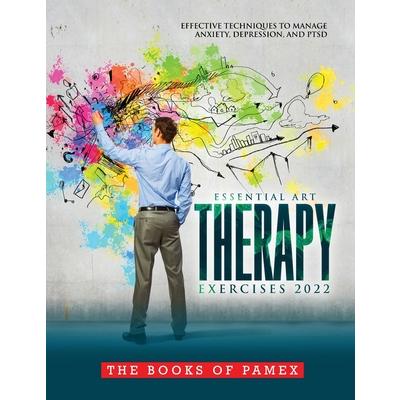




內容簡介
The intention of my art therapy practice is to create a safe place for clients to experience and creatively express their emotions, as well as to cultivate new opportunities for navigating life.
Art has been an outlet for me during turbulent times, and it has been my first defense when dealing with life's challenges. Art is also a part of my daily regimen of keeping my life in balance. I practice what I preach. My mission is to support others in finding a way to connect body, mind, and soul through creativity. It's incredibly satisfying to help a person realize their true potential and live a life free of suffering. As a registered, board-certified art therapist (ATR-BC), I run a private practice that provides these services to all age groups, both in person and online.
My experience with adolescent clients ranges from working with at-risk youth in crisis shelters and juvenile jails to kids in public schools. I also have vast experience working with adults who have anxiety, depression, and trauma. Outside of my private practice, I have also worked in psychiatric facilities and women's shelters.
My clinical experience has been using the cognitive-behavioral art therapy approach to treat depression, anxiety, and post-traumatic stress disorder (PTSD). Cognitive-behavioral approaches, including mindfulness practices and meditation, are also a part of my art therapy method.Art therapy is a way for clients to visualize what's going on in their mind and learn new ways to change their thinking patterns, which can lead to a new perspective. This book provides creative techniques for dealing with depression, anxiety, and PTSD. If you are a mental health professional, try the exercises yourself before doing them with your client. If you are doing these art exercises independently, give yourself time to reflect by journaling the discussion questions.
My hope is that this book will provide a springboard for insight, self-expression, mindfulness, acceptance, and self-compassion. Specifically, the exercises are designed to provide visual representations of thoughts and feelings. When people learn that they have control over their thoughts, and how they choose to feel, it will affect their behavior. Everyone can learn new ways to respond to situations in their lives. Art therapy isn't solely for people with an artistic disposition. It can also be helpful to those who consider themselves nonartistic. Anyone open to learning techniques that foster self-awareness can gain something from the experience.hose who are new to creating art should focus on the process rather than the product. To accomplish this, they must let go of critical thoughts because judging whether artwork is good or bad will stop the creative process. The act of expression is what is valuable because it provides insight into emotions and behaviors. Creating art to express emotions can be truly cathartic and liberating. Everyone should take the time to loosen up by trying the warm-up exercises I've included at the end of chapter 1. When an individual is open to looking inward and finding new ways to cope with life events through creating art without judgment, transformation happens. The world begins to change. If thoughts of judgment come up, just witness them and do not respond. They are only thoughts. Keep the intention clear to use these exercises to heal and to learn new ways to exist comfortably in the world.
Art has been an outlet for me during turbulent times, and it has been my first defense when dealing with life's challenges. Art is also a part of my daily regimen of keeping my life in balance. I practice what I preach. My mission is to support others in finding a way to connect body, mind, and soul through creativity. It's incredibly satisfying to help a person realize their true potential and live a life free of suffering. As a registered, board-certified art therapist (ATR-BC), I run a private practice that provides these services to all age groups, both in person and online.
My experience with adolescent clients ranges from working with at-risk youth in crisis shelters and juvenile jails to kids in public schools. I also have vast experience working with adults who have anxiety, depression, and trauma. Outside of my private practice, I have also worked in psychiatric facilities and women's shelters.
My clinical experience has been using the cognitive-behavioral art therapy approach to treat depression, anxiety, and post-traumatic stress disorder (PTSD). Cognitive-behavioral approaches, including mindfulness practices and meditation, are also a part of my art therapy method.Art therapy is a way for clients to visualize what's going on in their mind and learn new ways to change their thinking patterns, which can lead to a new perspective. This book provides creative techniques for dealing with depression, anxiety, and PTSD. If you are a mental health professional, try the exercises yourself before doing them with your client. If you are doing these art exercises independently, give yourself time to reflect by journaling the discussion questions.
My hope is that this book will provide a springboard for insight, self-expression, mindfulness, acceptance, and self-compassion. Specifically, the exercises are designed to provide visual representations of thoughts and feelings. When people learn that they have control over their thoughts, and how they choose to feel, it will affect their behavior. Everyone can learn new ways to respond to situations in their lives. Art therapy isn't solely for people with an artistic disposition. It can also be helpful to those who consider themselves nonartistic. Anyone open to learning techniques that foster self-awareness can gain something from the experience.hose who are new to creating art should focus on the process rather than the product. To accomplish this, they must let go of critical thoughts because judging whether artwork is good or bad will stop the creative process. The act of expression is what is valuable because it provides insight into emotions and behaviors. Creating art to express emotions can be truly cathartic and liberating. Everyone should take the time to loosen up by trying the warm-up exercises I've included at the end of chapter 1. When an individual is open to looking inward and finding new ways to cope with life events through creating art without judgment, transformation happens. The world begins to change. If thoughts of judgment come up, just witness them and do not respond. They are only thoughts. Keep the intention clear to use these exercises to heal and to learn new ways to exist comfortably in the world.
配送方式
-
台灣
- 國內宅配:本島、離島
-
到店取貨:
 不限金額免運費



-
海外
- 國際快遞:全球
-
港澳店取:


訂購/退換貨須知
加入金石堂 LINE 官方帳號『完成綁定』,隨時掌握出貨動態:

商品運送說明:
- 本公司所提供的產品配送區域範圍目前僅限台灣本島。注意!收件地址請勿為郵政信箱。
- 商品將由廠商透過貨運或是郵局寄送。消費者訂購之商品若無法送達,經電話或 E-mail無法聯繫逾三天者,本公司將取消該筆訂單,並且全額退款。
- 當廠商出貨後,您會收到E-mail出貨通知,您也可透過【訂單查詢】確認出貨情況。
- 產品顏色可能會因網頁呈現與拍攝關係產生色差,圖片僅供參考,商品依實際供貨樣式為準。
- 如果是大型商品(如:傢俱、床墊、家電、運動器材等)及需安裝商品,請依商品頁面說明為主。訂單完成收款確認後,出貨廠商將會和您聯繫確認相關配送等細節。
- 偏遠地區、樓層費及其它加價費用,皆由廠商於約定配送時一併告知,廠商將保留出貨與否的權利。
提醒您!!
金石堂及銀行均不會請您操作ATM! 如接獲電話要求您前往ATM提款機,請不要聽從指示,以免受騙上當!
退換貨須知:
**提醒您,鑑賞期不等於試用期,退回商品須為全新狀態**
-
依據「消費者保護法」第19條及行政院消費者保護處公告之「通訊交易解除權合理例外情事適用準則」,以下商品購買後,除商品本身有瑕疵外,將不提供7天的猶豫期:
- 易於腐敗、保存期限較短或解約時即將逾期。(如:生鮮食品)
- 依消費者要求所為之客製化給付。(客製化商品)
- 報紙、期刊或雜誌。(含MOOK、外文雜誌)
- 經消費者拆封之影音商品或電腦軟體。
- 非以有形媒介提供之數位內容或一經提供即為完成之線上服務,經消費者事先同意始提供。(如:電子書、電子雜誌、下載版軟體、虛擬商品…等)
- 已拆封之個人衛生用品。(如:內衣褲、刮鬍刀、除毛刀…等)
- 若非上列種類商品,均享有到貨7天的猶豫期(含例假日)。
- 辦理退換貨時,商品(組合商品恕無法接受單獨退貨)必須是您收到商品時的原始狀態(包含商品本體、配件、贈品、保證書、所有附隨資料文件及原廠內外包裝…等),請勿直接使用原廠包裝寄送,或於原廠包裝上黏貼紙張或書寫文字。
- 退回商品若無法回復原狀,將請您負擔回復原狀所需費用,嚴重時將影響您的退貨權益。


商品評價