



★前言|梁佩鳳 2026★
上世紀七十年代,我剛剛開始在上海各文化中心學畫的時候,就有幸碰到了木刻版畫藝術的前輩鄭通校老師。那時候女生學畫並搞創作的不多。在鄭老師的指導下,我大膽闖進了藝術的大門 ─ 探索、發現、想像並創作在這美妙的藝術世界裏。我經常有機會參加上海市美術館舉辦的畫展。以後,又有陳家泠老師與鄭波老師在連環畫學習班上教我如何創作連環畫。中國連環畫有上百年的歷史,其經典的線條、傳統的色彩與墨色是特別的,在西方的繪畫中不常見到。
中華人民共和國建於1949年,自我封閉了很長時間。八十年代,鄧小平總理打開了中國對外貿易與文化交流的大門,並極大的發展本國的教育與文化,允許超齡青年可以考大學。這僅僅是一次很短的時間,我抓住這次機會,經過正規考試,被上海大學美術學院錄取,從此開始正式的藝術學習。
在美術學院裏,我從以前學到的木刻和連環畫基礎上,繼續學習西方寫生藝術。每前進一步,我的畫的線條和色彩更加強了。甘錦奇老師是我的班主任,教我色彩寫生。中國有句古諺說:“師傅領進門,修行在個人”。通過老師的教導,使我強烈意識到,技巧很重要,而毅力和堅持卻是追求藝術更重要的意義和價值。
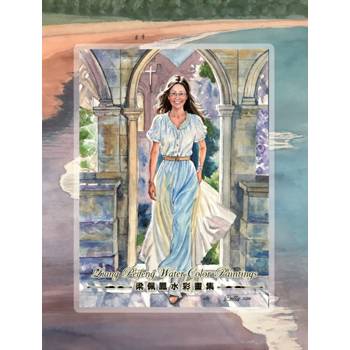
我曾經在2015年出版過一本畫集,主要是用線條和色彩創作的畫;現在這本畫集卻是以水彩畫爲主,水彩畫是顏料和水的完美融合所體現出來的藝術。雖然我對繪畫的造型和構圖都可以掌握,但是水彩畫予我還是新的嘗試,完全通過實踐中多畫多練習,不斷領悟改進,才得以提升的;畫集的最後部分是我的工筆國畫。
對藝術的追求是無止盡的,只有不斷探索不斷創新,才能達到理想的境界,這是我對自己的要求與期望。在此有什麼比與大家分享我的畫,在藝術世界留下足跡更喜悅的事呢!
★Preface|Liang Peifeng 2026★
I n the 1970s, when I had just begun studying painting at various cultural centers in Shanghai, I was fortunate to meet the woodcut printmaking master Zheng Tongxiao. At that time, there were not many women learning painting or engaging in artistic creation. Under Mr. Zheng’s guidance, I boldly stepped into the world of art—exploring, discovering, imagining, and creating within this wonderful realm. I often had the opportunity to participate in exhibitions held at the Shanghai Art Museum. Later, under the instruction of Chen Jialing and Zheng Bo in a lianhuanhua (Chinese comic strip) training class, I learned how to create sequential art. Chinese lianhuanhua has a history of more than a hundred years; its classic line work, traditional colors, and ink tones are unique and cannot be found in Western comics.
T he People’s Republic of China was founded in 1949 and remained relatively closed for a long period. In the 1980s, Premier Deng Xiaoping opened China to foreign trade and cultural exchange, greatly advancing the country’s education and culture, and allowing overage youth to take university entrance exams. This opportunity lasted only a short time. I seized it and, after passing the formal examinations, was admitted to the Shanghai University Academy of Fine Arts, where I began my formal art education.
A t the academy, I built upon my previous foundation in woodcut and lianhuanhua while continuing to study Western life drawing. With each step forward, the lines and colors in my work grew stronger. My class advisor, Gan Jinqi, taught me color sketching. There is an old Chinese saying: “The master leads you to the door, but cultivation depends on the individual.” Through my teachers’ guidance, I came to deeply realize that while technique is important, perseverance and dedication carry even greater meaning and value in the pursuit of art.
I n 2015, I published a collection of paintings primarily created with line and color. This current collection, however, focuses mainly on watercolor, an art form that embodies the perfect fusion of pigment and water. Although I am able to handle form and composition in painting, watercolor remains a new exploration for me. Only through continuous practice—painting more, learning more, and refining through experience—have I been able to improve. The final section of this collection features my traditional Chinese gongbi paintings.
T he pursuit of art is endless. Only through constant exploration and innovation can one approach an ideal artistic realm. This is both my personal standard and aspiration. What could be more joyful than sharing my paintings with others and leaving my own footprints in the world of art?
上世紀七十年代,我剛剛開始在上海各文化中心學畫的時候,就有幸碰到了木刻版畫藝術的前輩鄭通校老師。那時候女生學畫並搞創作的不多。在鄭老師的指導下,我大膽闖進了藝術的大門 ─ 探索、發現、想像並創作在這美妙的藝術世界裏。我經常有機會參加上海市美術館舉辦的畫展。以後,又有陳家泠老師與鄭波老師在連環畫學習班上教我如何創作連環畫。中國連環畫有上百年的歷史,其經典的線條、傳統的色彩與墨色是特別的,在西方的繪畫中不常見到。
中華人民共和國建於1949年,自我封閉了很長時間。八十年代,鄧小平總理打開了中國對外貿易與文化交流的大門,並極大的發展本國的教育與文化,允許超齡青年可以考大學。這僅僅是一次很短的時間,我抓住這次機會,經過正規考試,被上海大學美術學院錄取,從此開始正式的藝術學習。
在美術學院裏,我從以前學到的木刻和連環畫基礎上,繼續學習西方寫生藝術。每前進一步,我的畫的線條和色彩更加強了。甘錦奇老師是我的班主任,教我色彩寫生。中國有句古諺說:“師傅領進門,修行在個人”。通過老師的教導,使我強烈意識到,技巧很重要,而毅力和堅持卻是追求藝術更重要的意義和價值。
我曾經在2015年出版過一本畫集,主要是用線條和色彩創作的畫;現在這本畫集卻是以水彩畫爲主,水彩畫是顏料和水的完美融合所體現出來的藝術。雖然我對繪畫的造型和構圖都可以掌握,但是水彩畫予我還是新的嘗試,完全通過實踐中多畫多練習,不斷領悟改進,才得以提升的;畫集的最後部分是我的工筆國畫。
對藝術的追求是無止盡的,只有不斷探索不斷創新,才能達到理想的境界,這是我對自己的要求與期望。在此有什麼比與大家分享我的畫,在藝術世界留下足跡更喜悅的事呢!
★Preface|Liang Peifeng 2026★
I n the 1970s, when I had just begun studying painting at various cultural centers in Shanghai, I was fortunate to meet the woodcut printmaking master Zheng Tongxiao. At that time, there were not many women learning painting or engaging in artistic creation. Under Mr. Zheng’s guidance, I boldly stepped into the world of art—exploring, discovering, imagining, and creating within this wonderful realm. I often had the opportunity to participate in exhibitions held at the Shanghai Art Museum. Later, under the instruction of Chen Jialing and Zheng Bo in a lianhuanhua (Chinese comic strip) training class, I learned how to create sequential art. Chinese lianhuanhua has a history of more than a hundred years; its classic line work, traditional colors, and ink tones are unique and cannot be found in Western comics.
T he People’s Republic of China was founded in 1949 and remained relatively closed for a long period. In the 1980s, Premier Deng Xiaoping opened China to foreign trade and cultural exchange, greatly advancing the country’s education and culture, and allowing overage youth to take university entrance exams. This opportunity lasted only a short time. I seized it and, after passing the formal examinations, was admitted to the Shanghai University Academy of Fine Arts, where I began my formal art education.
A t the academy, I built upon my previous foundation in woodcut and lianhuanhua while continuing to study Western life drawing. With each step forward, the lines and colors in my work grew stronger. My class advisor, Gan Jinqi, taught me color sketching. There is an old Chinese saying: “The master leads you to the door, but cultivation depends on the individual.” Through my teachers’ guidance, I came to deeply realize that while technique is important, perseverance and dedication carry even greater meaning and value in the pursuit of art.
I n 2015, I published a collection of paintings primarily created with line and color. This current collection, however, focuses mainly on watercolor, an art form that embodies the perfect fusion of pigment and water. Although I am able to handle form and composition in painting, watercolor remains a new exploration for me. Only through continuous practice—painting more, learning more, and refining through experience—have I been able to improve. The final section of this collection features my traditional Chinese gongbi paintings.
T he pursuit of art is endless. Only through constant exploration and innovation can one approach an ideal artistic realm. This is both my personal standard and aspiration. What could be more joyful than sharing my paintings with others and leaving my own footprints in the world of art?




